
[ad_1]
UBC’s Dr. Paul Yong is helping ignite change for thousands of people faced with the painful disorder.
Endometriosis affects nearly 1 in 10 women in Canada and an unmeasured number of gender diverse people. For many, the journey to receiving a diagnosis can be a long, and emotional one.
“Though it’s a common disorder, endometriosis needs much more awareness, especially because it can cause very different symptoms in different women,” says Dr. Paul Yong, an associate professor in UBC’s department of obstetrics and gynaecology and assistant director of the Women’s Health Research Institute.
Endometriosis happens when tissue, similar to the tissue that lines the uterus, grows outside the organ, causing lesions throughout (and sometimes beyond) the pelvic cavity. The disorder can lead to severe menstrual cramps, chronic pelvic pain, sexual pain, and — in rare cases — ovarian cancer. Endometriosis can also make it more difficult to conceive. By some estimates, 30 to 50 percent of people with the disorder experience infertility.
Right now, people in Canada wait up to an average of five years — and in some cases much longer — before they receive a diagnosis and treatment.
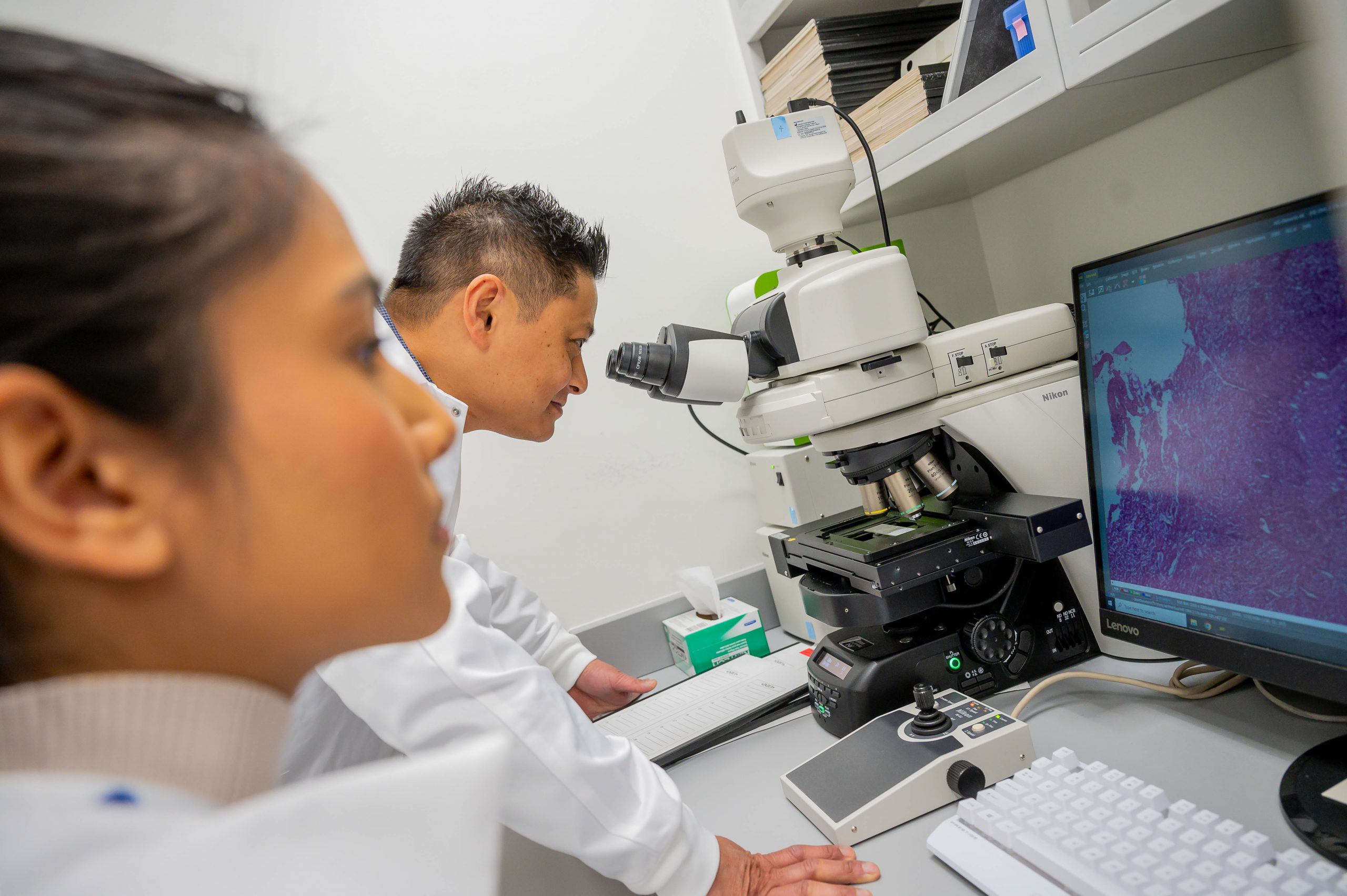
But at the Faculty of Medicine’s Endometriosis and Pelvic Pain Lab, Dr. Yong and his colleagues are working to change this through patient-centred, translational research, and by raising awareness of the disorder through advocacy and education.
“We are using every tool in our toolbox to advance knowledge and make meaningful changes to how endometriosis is currently diagnosed and treated.”
— Dr. Paul Yong
“We are using every tool in our toolbox to advance knowledge and make meaningful changes to how endometriosis is currently diagnosed and treated,” says Dr. Yong, who also works as a gynaecologist offering surgery and interdisciplinary care at BC Women’s Centre for Pelvic Pain and Endometriosis, one of the few tertiary care centres of its kind in Canada.
With access to an extensive biobank of donated endometriosis surgical samples and state-of-the-art technology at WHRI’s Skidmore Goodman Research Wet Lab, Dr. Yong and his team, which includes more than 20 UBC undergraduate, graduate and postdoctoral trainees as well as staff, study the role of the central and peripheral nervous system as well as the genetic changes associated with endometriosis — all in the hopes of understanding the mechanisms by which the disorder causes symptoms.
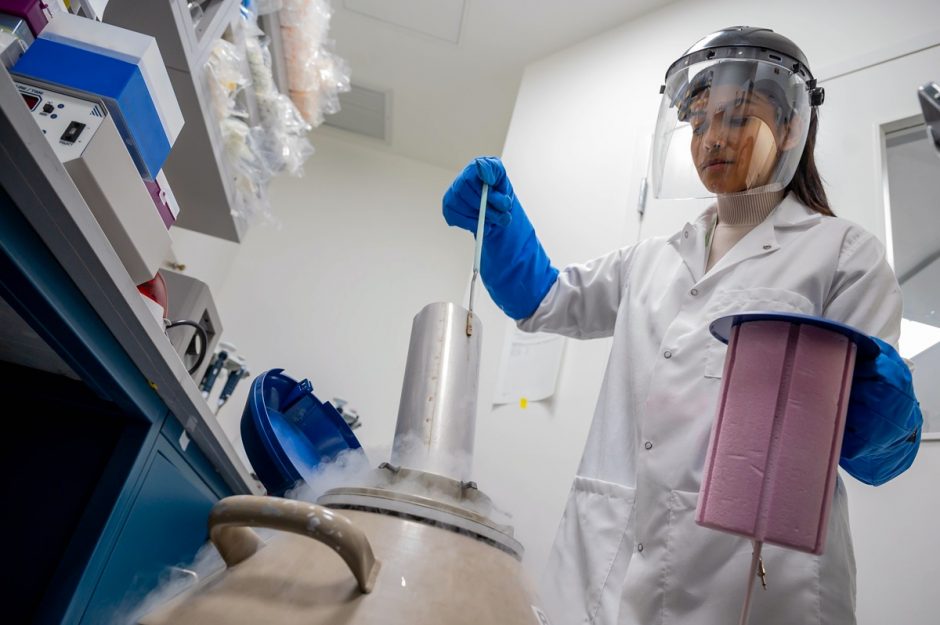
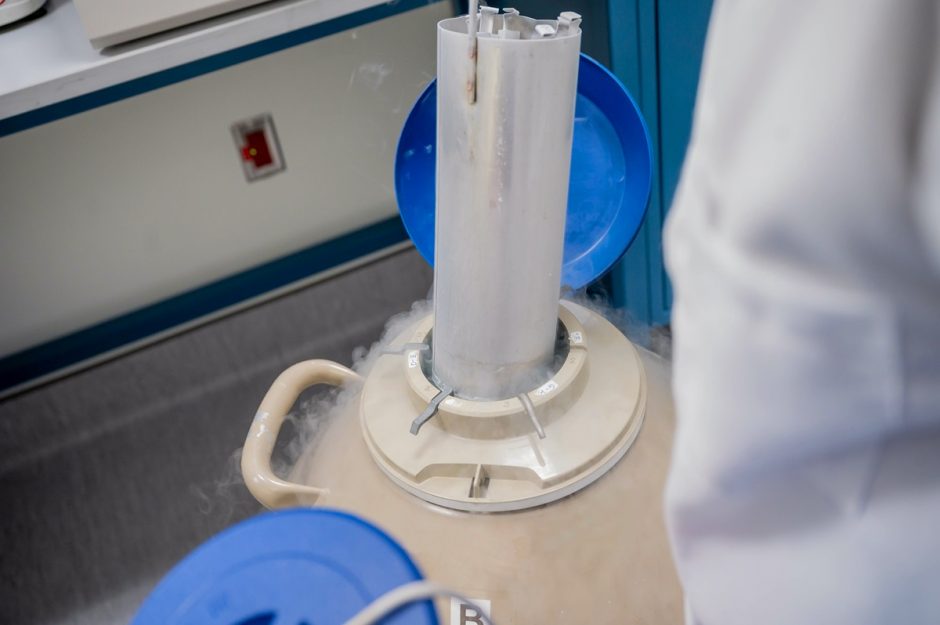
Endometriosis surgical samples stored in liquid nitrogen are removed for investigation.
Together, their advances in the laboratory are helping to pave the way forward — opening up potential new targets for future, more personalized treatments that will add to the current options of surgery or hormonal therapy.
By the Numbers
Canadians living with endometriosis
Average length of time for an endometriosis diagnosis in Canada
Beyond the lab bench, Dr. Yong and his team are also working hard to raise awareness of this complex disease among health care professionals across Canada and shift the conversation with respect to how endometriosis is currently diagnosed and treated.
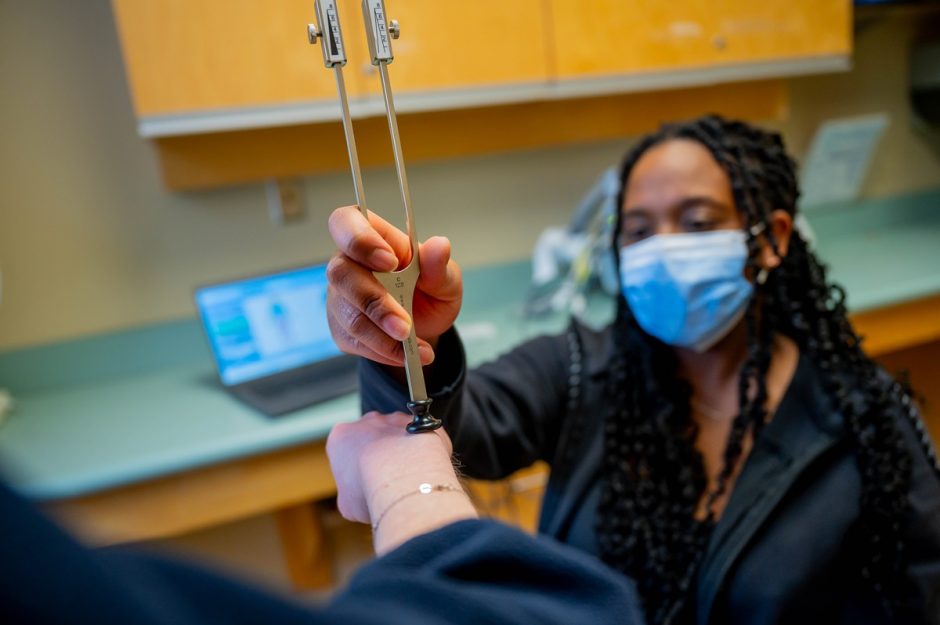
“For a very long time, endometriosis was diagnosed only by surgery. But today, through imaging or a careful history and examination, the journey to diagnosis can be significantly shortened,” says Dr. Yong, who, together with his colleagues, regularly contributes to updating national endometriosis diagnosis and treatment guidelines.
Right now, the team is also exploring how they can optimize surgical care for endometriosis and are developing a new clinical prediction model for doctors to help foretell which patients are most likely to benefit from surgery based on molecular and clinical data.
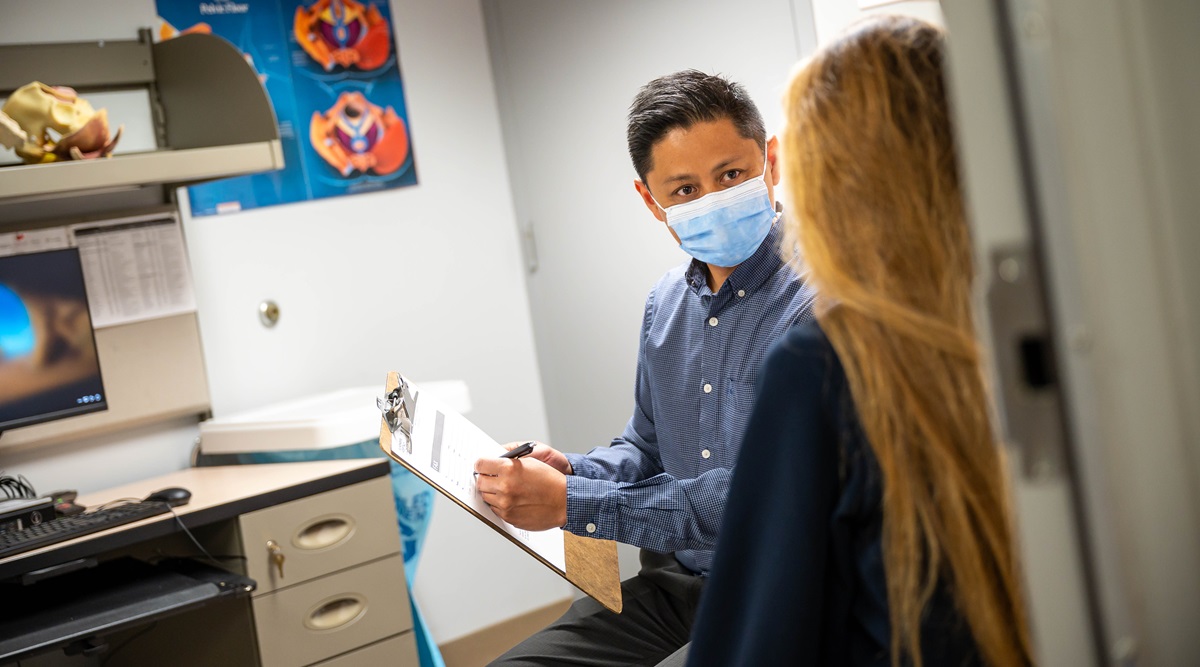
Above all else, Dr. Yong and his team are dedicated to making a difference for patients and their families — including future generations, which is why they’re also researching the benefits of an endometriosis education pilot program in middle and secondary schools in B.C.
Often, symptoms of endometriosis start in adolescence and, if left untreated, can lead to chronic pain later in life, making early diagnosis and management critical for future health and wellbeing.
“It’s through early awareness and education that those with symptoms of endometriosis can be empowered to talk about their symptoms with their health care providers — and talking about it is really the first and most important step towards diagnosis and treatment,” says Dr. Yong.
Published: January 22, 2024
|
Sources 2/ https://www.med.ubc.ca/news/endometriosis-towards-better-diagnosis-and-treatment/ The mention sources can contact us to remove/changing this article |
[ad_2]