
[ad_1]
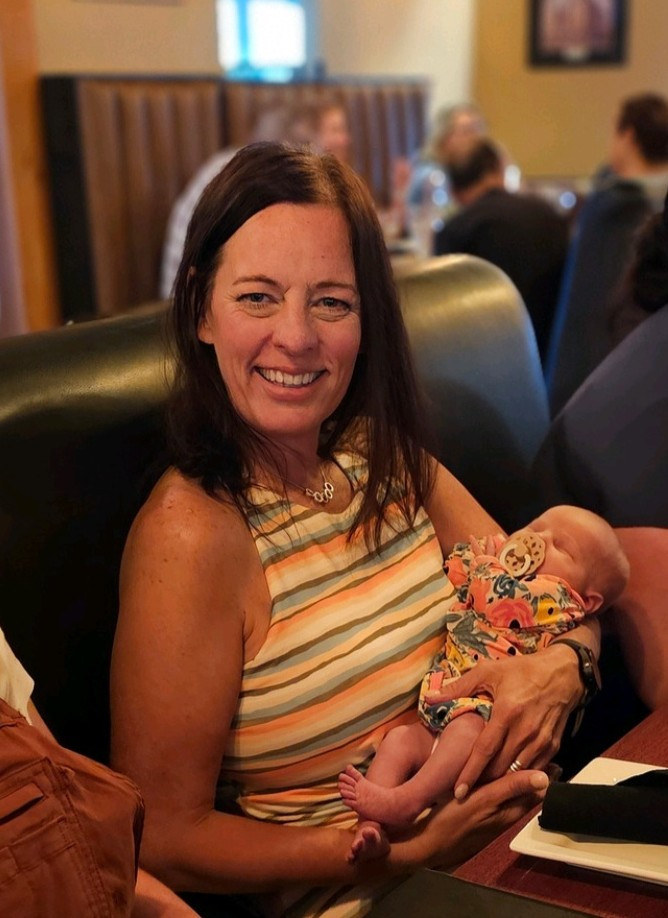
Beck&Hani2024 (1)
Becky Bannon, a registered nurse from Anaconda, Montana, has spent over 25 years in the medical field. Even with her medical background and knowledge, life got busy, and she delayed her own health screenings. It was a year ago, at age 52, when Bannon went for her first screening colonoscopy at St. James Hospital.
With no family history of colon cancer, Bannon expected routine results. She was surprised when she received a diagnosis of a concerning precancerous colon polyp. Because of the stage of the polyp, it was recommended that Bannon have the right side of her colon removed to prevent further advancement of her condition and to prevent the development of cancer.
Fortunately, colon cancer has a 90 percent survival rate when detected early. Updated national guidelines recommend individuals start screening at age 45. Colonoscopies are considered the gold standard for detection, as they not only detect abnormalities but also remove precancerous polyps. For most patients, a colonoscopy is needed once every 10 years, or once every five years if there is an increased risk.
Reflecting on the experience, Bannon realized that if she had gone for her screening earlier the polyp might have been detected at an earlier stage, potentially avoiding the need for such an extensive surgery. Her message to others is to not delay your screenings.
“The sooner you get your screening the better,” said Bannon. “Had I not gone in last year. It could have been a whole different situation.”
A year later, Bannon had a follow-up colonoscopy, which came back clear. She will now have a follow up colonoscopy three years from now.
Knowing individual risks is vital and important and should be discussed with a medical provider. Factors such as age, family history, personal history of polyps or inflammatory bowel disease, and lifestyle factors like diet, smoking, and lack of physical activity can increase your risk.
Bannon is sharing her story to highlight the importance of early screening, especially given the rise in younger patients being diagnosed with colon cancer. She encourages everyone to talk to their primary care provider to determine the best screening options for them.
“Waiting for symptoms is too late,” said Brenna Fanning, surgeon at Intermountain Health St. James Hospital. “Screening occurs when you have no symptoms and feel well. Early detection is critical to catching colorectal cancer and saving lives.”
When assessing your risks, Bannon also encourages open conversations between family members. After sharing her news with her family, she learned that other family members had several polyps removed during a screening colonoscopy. “The more we talk about it and share, the better off we will be,” she said.
Colorectal cancer incidence has been steadily increasing in younger Americans, with the sharpest rise seen in rectal cancer. In 2020, 11% of all colon cancer and 15% of all rectal cancer diagnoses were estimated to occur in individuals under age 50. This rise is alarming because younger patients often have more advanced cases by the time they’re diagnosed.
“Younger individuals face unique barriers when it comes to colon cancer screenings, such as a lack of awareness about the need for screening, fear or discomfort associated with the procedure and challenges in navigating the healthcare system,” said Fanning. “It’s crucial for everyone, regardless of age, to understand their personal risk factors and discuss them with their healthcare provider to determine the best screening plan.”
For those with low risk factors, other screening options are available, including the Fecal Immunochemical Test (FIT) and Cologuard, both of which are non-invasive and can be done at home. These tests detect hidden blood or abnormal DNA markers in stool samples, and a positive result will require a follow-up colonoscopy. Understanding risks and exploring screening options are vital steps in preventing colorectal cancer.
‘;
|
Sources 2/ https://news.intermountainhealth.org/with-rise-in-cases-of-colon-cancer-in-younger-patients-montana-woman-stresses-importance-of-screening/ The mention sources can contact us to remove/changing this article |
[ad_2]