
[ad_1]
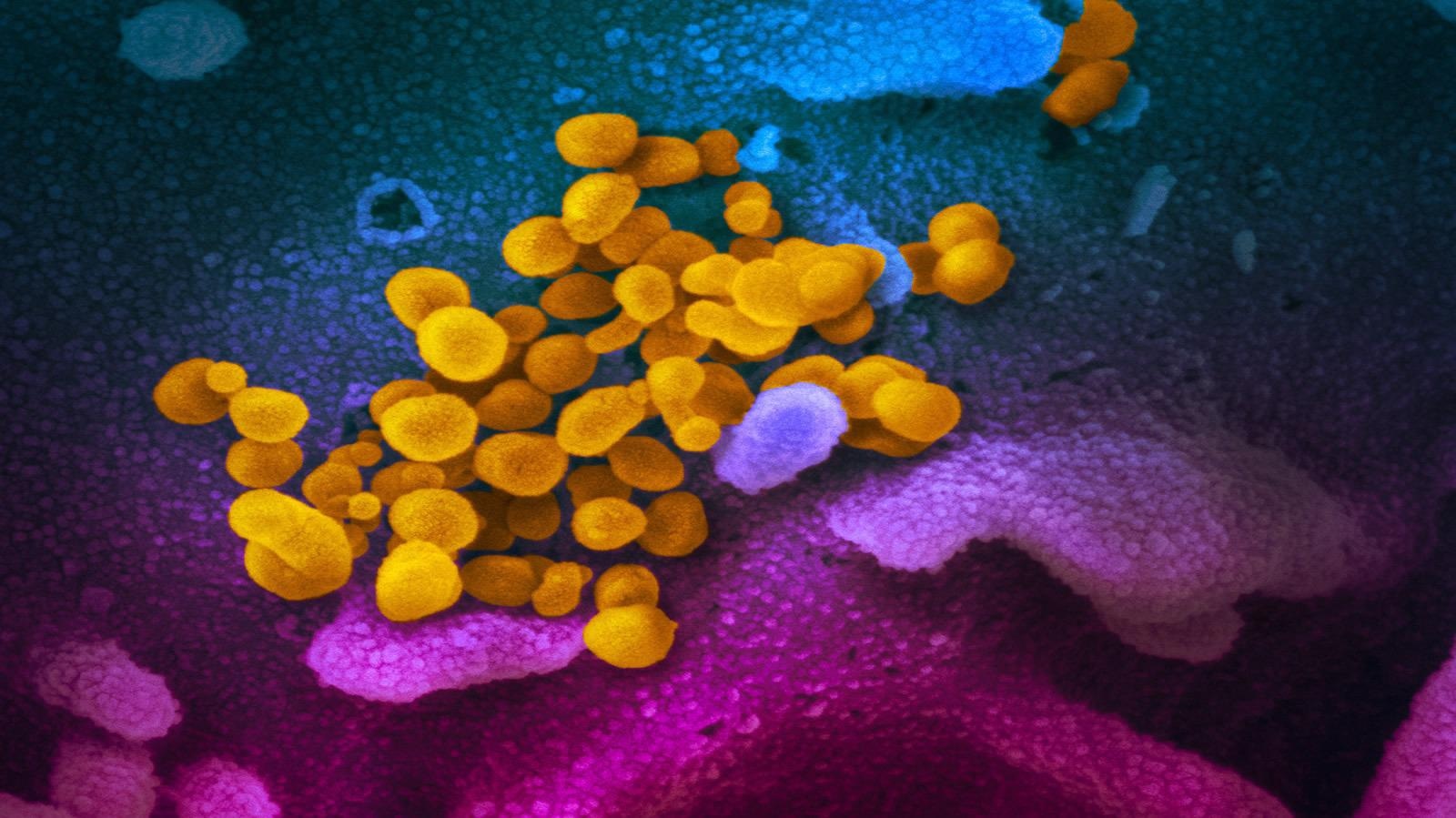
The 2019 coronavirus disease pandemic (COVID-19) is a continuing global health problem caused by the novel coronavirus, Severe Acute Respiratory Syndrome-Coronavirus-2 (SARS-CoV-2).
Many rigorous studies have been conducted to understand the pathogenesis and transmissibility of SARS-CoV-2. Despite all these efforts, many areas remain unexplored, such as reinfection and reactivation of SARS-CoV-2.
Further studies are needed to assess the possibility of re-infection and its potential risk factors.
Literature review on COVID-19 reinfection
In a review article published in the Journal of Community Hospital Internal Medicine Perspectives, US authors have conducted an in-depth investigation of previous studies and case reports of reinfection with SARS-CoV-2. This review discusses the role of natural immunity, vaccines and SARS-CoV-2 variants in reinfection.
Definition of reinfection
According to the Centers for Disease Control (CDC), reinfection is defined as “infection in an individual with two different viral strains within ≥ 45 days in highly suspected cases of COVID-19 disease or ≥ 90 days in cases asymptomatic or low suspicion cases “.
Additionally, some studies define reinfection as having negative tests between two positive SARS-CoV-2 reverse transcription polymerase chain reaction (RT-PCR) tests in addition to genotypic variation.
This review examined reinfection in individuals tested for SARS-CoV-2 using RT-PCR during the first pandemic wave before June 2020 and followed the study group from September to December 2020 to assess the contraction of SARS-CoV-2.
A study by Tillett et al. discussed the first case of reinfection in the United States in a 25-year-old man whose two nasopharyngeal RT-PCR reports within 2 months revealed genetically different variants of SARS-CoV-2.
Another study by Hall et al. found that a history of infection with SARS-CoV-2 can reduce the risk of re-infection by 83% and that its protective effect can last for up to 5 months.
Likewise, many reports have been published on the properties and duration of immunity which play a vital role in reinfection.
Post-acute sequelae of SARS-CoV-2 infection
COVID-19 patients present with multiple presentations of inflammatory lesions and immunologic dysregulation 4 weeks after the onset of infection, known as post-acute sequelae of SARS-CoV-2 infection (PASC) and are still perceived as reinfection. Therefore, understanding the difference between PASC and reinfection is essential for managing COVID-19.
Reinfection and vaccination
The United States Food and Drug Administration (USFDA) has approved several vaccines targeting the advanced SARS-CoV-2 glycoprotein. A two-dose vaccination regimen with Pfizer / BioNTech and Moderna / National Institute of Allergy and Infectious Diseases (NIAID) is approximately 95% effective in preventing symptomatic COVID-19, and a single-dose regimen with the Johnson vaccine and Johnson Janssen Biotech is 65.5% effective.
Other vaccines such as Covaxin, AstraZeneca / Oxford, Sputnik V vaccines with the effectiveness of 78%, 70.4% and 91.6%, respectively, were approved in the rest of the world. However, some vaccines developed in China and others are still in different stages of clinical trials.
From December 2020, new variants of concern, including SARS-CoV-2 B.1.1.7 (Alpha), B.1.351 (Beta), B.1.617.2 (Delta) P.1. (Gamma), B.1.427 and B.1.429 (Epsilon), and now B.1.1.529 (Nu), emerged, all with mutations in the receptor binding domain of spike protein. Thus, the emergence of various variants of SARS-CoV-2 leads to uncertainty about the effectiveness of vaccines.
Antibodies and reinfection
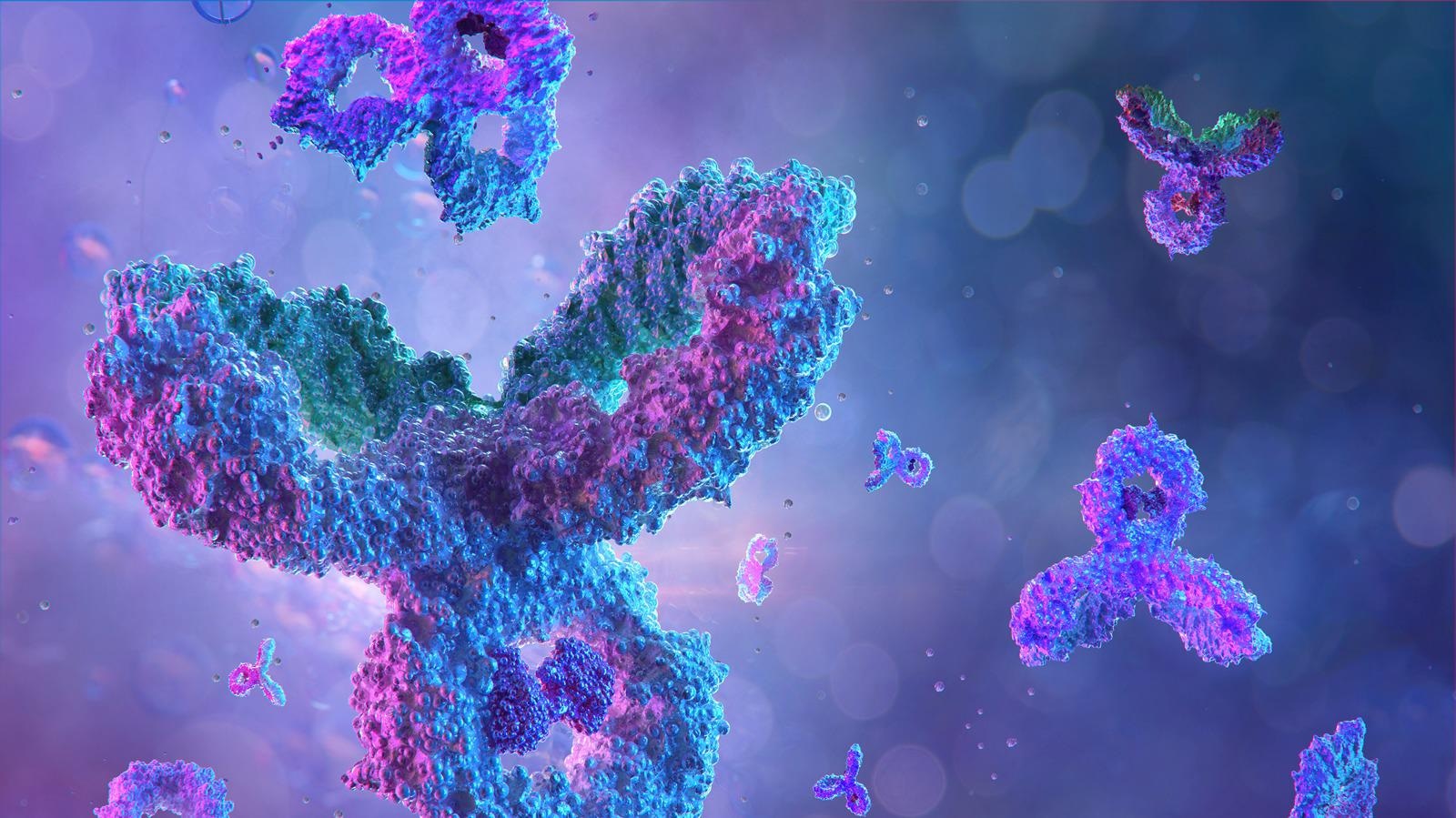
In the majority of COVID-19 patients, immunoglobulin G (IgG) and IgM levels increase after the onset of symptoms. However, many infected patients do not develop antibodies for unknown reasons. The antibody level in severe COVID-19 patients is more robust than those found in patients with mild or asymptomatic infection. Antibody levels start to decline within 60 to 90 days of the onset of infection. According to some reports, immunity to these antibodies lasts from 7 to 12 months. A study by To et al. discovered that reinfection can be determined by increasing the immune response with IgG neutralizing antibodies and the lack of IgM antibodies.
Conclusion
In the review, it was concluded that antibody responses determine immunity against SARS-CoV-2 and longevity of reinfection. In order to better understand this concept of reinfection, it would be useful to determine the role of vaccines in reinfection by different strains. The authors suggest more comprehensive studies on viral loads, viral genotypes, antibodies, and immune status of patients to confirm true reinfection. The potential for reinfection or reactivation should be evaluated in patients with asymptomatic infections.
Journal reference:
- Bao Y. Sciscent, Caroline D. Eisele, Lisa Ho, Steven D. King, Rohit Jain & Reshma R. Golamari (2021) COVID-19 reinfection: the role of natural immunity, vaccines and variants, Journal of Community Hospital Internal Medicine Perspectives, 11: 6, 733-739, https://doi.org/10.1080/20009666.2021.1974665, https://www.tandfonline.com/doi/full/10.1080/20009666.2021.1974665
.
|
Sources 2/ https://www.news-medical.net/news/20211125/A-review-of-natural-immunity-vaccines-and-variants-in-SARS-CoV-2-reinfection.aspx The mention sources can contact us to remove/changing this article |
[ad_2]