
[ad_1]
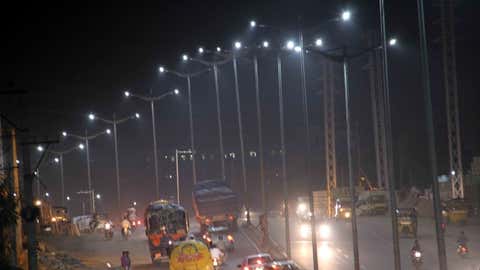
Representational image
(IANS)
Scared of the dark? Research shows you should actually be thankful for it.
While it’s almost impossible to escape the gaze of the solemn street lamp, most herald them as tall beacons of safety when walking along a desolate street at night. After all, who knows what lurks in the dark of dank street alleys? However, the ubiquitous glow of these street lamps may be causing you more harm than you previously thought, it turns out.
According to a new study conducted in China, higher amounts of exposure to artificial light at night (LAN) has links to an increased risk of diabetes and impaired blood glucose control.
Most organisms on Earth follow a 24-hour inbuilt “circadian” cycle where they’re automatically attuned to night and day created by the movement of our planet. This is the reason you start feeling sleepy at night. However, with 80% of the world’s population facing some form of outdoor light pollution every night, it has become exceedingly harder for our body to regulate internal processes because of an inability to distinguish night from day.
In fact, scientists have observed premature deaths and loss of biodiversity due to insects, birds and other animals being affected by light pollution. When rats were exposed to unnatural LAN, they started getting fatter and exhibiting reduced glucose levels with high blood sugar and insulin.
So when the scientists assessed 2010 data of about 1 lakh people living in China, they found the people staying in areas with the highest levels of artificial night-time light pollution had a higher body-mass index rating and a 28% relatively increased chance of diabetes prevalence. When blanketed, the researchers estimated that outdoor LAN exposure could cause about 9 million diabetes cases in Chinese adults over 21 years of age.
This is congruent with a previous study that was conducted in South India that showed that areas of increased light intensity had more populations that suffered from higher body-mass indices, systolic blood pressure and cholesterol levels.
While still more research is required to determine whether there is a tangible direct link between artificial LAN exposure and diabetes, this certainly adds to a growing mountain of evidence that LAN is detrimental to health. With about 83% of the world exposed to light pollution (the statistic being astronomically higher for developed countries such as the US), there is no doubt that this is a serious matter that needs to be investigated thoroughly.
The findings of this study have been published in Diabetology and can be accessed here.
**
For weather, science, space, and COVID-19 updates on the go, download The Weather Channel App (on Android and iOS store). It’s free!
|
Sources 2/ https://weather.com/en-IN/india/health/news/2022-11-17-outdoor-night-time-light-pollution-could-increase-diabetes-risk The mention sources can contact us to remove/changing this article |
[ad_2]