
[ad_1]
In a recent review published in Nutrientsthe researchers summarize the existing literature on the effects of nut consumption on biomarkers of inflammation and oxidative stress.
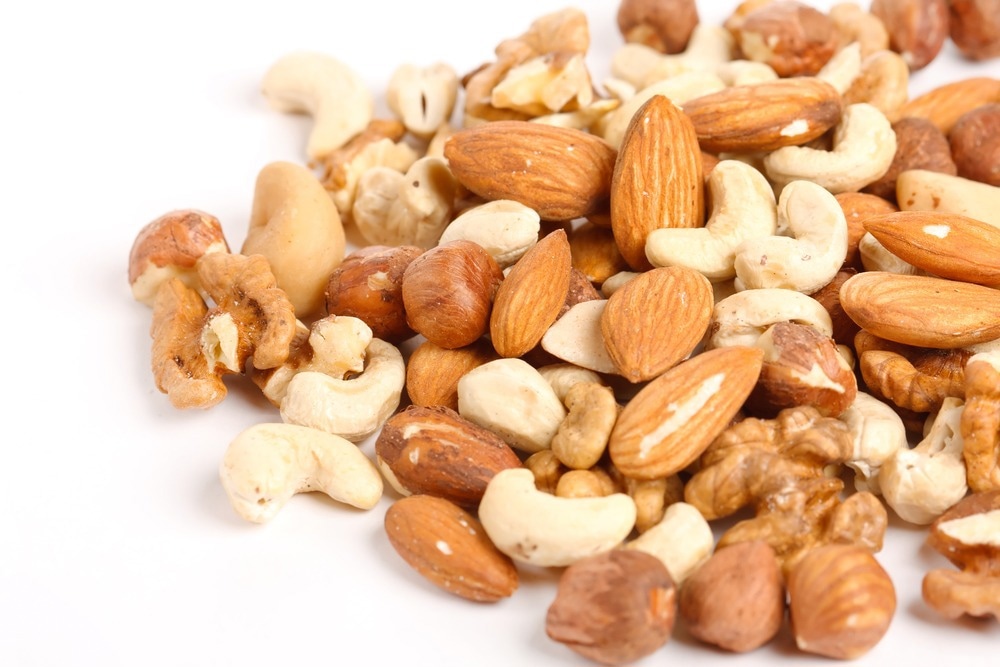 Study: Effect of nuts on markers of inflammation and oxidative stress: a narrative review. Image Credit: Shebeko / Shutterstock.com
The health benefits of nuts
Inflammation and oxidative stress are involved in the pathophysiology of various non-communicable diseases.
In particular, the consumption of peanuts and tree nuts has been shown to reduce the risk of developing certain cardiovascular and metabolic diseases, such as atherosclerosis, hypertension and diabetes. Given the known anti-inflammatory and antioxidant potential of nuts, compounds in these food products may protect against inflammatory and oxidative processes.
In the present review, the researchers elucidate the modulation of oxidative stress and inflammation by nut consumption and present scope for future research.
Oxidative and inflammatory processes
Nuts include Brazil nuts, walnuts, almonds, cashews, macadamia nuts, hazelnuts, pine nuts, pistachios, and pecans.
Phytosterols, fiber, monounsaturated fatty acids (MUFA), polyunsaturated fatty acids (PUFA) including linoleic acid and alpha‐linolenic acid, as well as mineral-like antioxidant molecules such as selenium, copper and magnesium in peanuts and tree nuts may improve lipid metabolism and reduce low-density lipoprotein (LDL) levels.
Additionally, antioxidants like tocopherols and polyphenols destroy free radicals, thereby inhibiting the oxidative modification of low-density lipoproteins (oxLDL). These processes prevent monocyte migration, macrophage differentiation, and subsequent endocytosis of oxLDL by macrophage cells and foam cell formation.
Elevated levels of free radicals in the subendothelial spaces alter smooth muscle cell phenotypes, thereby promoting oxLDL uptake. This process is essential for inducing and maintaining low levels of inflammation, during which high levels of cytokines such as interleukin-6 (IL-6), tumor necrosis factor alpha (TNF-α) and other cytokines are often present.
Walnut consumption has been associated with lower levels of TNF-α, E-selectin, interleukin-6, granulocyte-macrophage colony-stimulating factor (GM-CSF), IL-1β and interferon-gamma (IFN-γ ). Comparatively, hazelnuts could reduce levels of vascular cell adhesion protein-1 (VCAM-1) and C-reactive protein (CRP).
The antioxidants in walnuts can also directly eliminate reactive oxygen species (ROS) generated in cells, decrease oxidative stress, and reduce expression of nuclear factor kappa B (NF-κβ) and release of cytokines pro ‐inflammatory. Brazil nuts have also been shown to exert positive effects on the antioxidant enzyme activity of selenium-containing glutathione peroxidase (GPx).
Nut antioxidants also function as cofactors for various antioxidant enzymes. Walnuts may enhance antioxidant activity, elevate nuclear erythroid-related factor-2 (Nrf-2) gene expression, and upregulate antioxidant response element (ARE) genes. Walnuts can also improve the ferric reducing antioxidant property (FRAP).
Scope of future research
Cohort-type studies have been conducted to assess the relationship between nut consumption and inflammation. However, these studies lack assessment of oxidative stress biomarkers, nor did they assess the protection conferred by walnuts against disease outcomes.
Therefore, future studies need to assess biomarkers of inflammatory and oxidative stress that mediate chronic disease exposure and outcomes. Additional studies should also incorporate repeated dietary measures at follow-up visits to eliminate biases related to lifestyle and behavior changes over time.
Well-designed randomized controlled trials (RCTs) with large sample sizes are needed to establish scientific evidence on the immunological and cardiometabolic benefits of nut consumption. These studies should also assess oxidative and inflammatory biomarkers as primary study outcomes to clarify current inconsistencies.
Future clinical trials need to consider the dose, which will typically be between 40g and 60g per day, the duration, and the approaches that can be used to incorporate nuts into diets. Nut-free comparison diets, as well as adjustments for confounders such as age and sex, are also imperative to provide standardizable and generalizable data.
Additionally, the individuals medical history, including any history of obesity, type 2 diabetes, and cardiovascular disease, should be assessed.
Future studies could also use metabolomic genetic signatures of inflammation, rather than individual biomarkers. This will allow researchers to explore the underlying genetic and other mechanisms that contribute to the effects of nut consumption in reducing cardiometabolic damage mediated by oxidative and inflammatory pathways.
In addition, potential studies in the future should also incorporate deoxyribonucleic acid (DNA) methylation assays, gut axis-immunological system relationship analysis, and diet-based approaches, including the index inflammatory disease (DII), to assess the protection induced by nuts against cardiometabolic diseases.
conclusion
Nuts such as walnuts and almonds might preferentially regulate inflammation, while other nuts like Brazil nuts might selectively alter oxidative stress levels.
Peanuts and tree nuts, which are rich in powerful bioactive nutrients including PUFAs, MUFAs, alpha-tocopherol, copper and selenium, and non-nutrients including fiber, polyphenols and phytosterols, have the potential to reduce cardiometabolic damage induced by oxidative stressors. and inflammatory substances.
Nevertheless, the quality of available evidence is modest for a few tree nuts, inconsistent for some, and has not been assessed for many other types of tree nuts. Therefore, further research is essential to improve the current understanding of the protective role of walnuts against inflammatory and oxidative processes.
Journal reference:
- Rajaram, S., Damasceno, NRT, Braga, RAM, et al. (2023). Effect of nuts on markers of inflammation and oxidative stress: a narrative review. Nutrients 15(1099). doi:10.3390/nu15051099
|
Sources 2/ https://www.news-medical.net/news/20230228/An-overview-of-the-anti-inflammatory-effects-of-nuts.aspx The mention sources can contact us to remove/changing this article |
[ad_2]