
[ad_1]
Diabetic retinopathy (DR) is an ophthalmological complication of diabetes that is the leading cause of vision loss and blindness in this patient population.
DR is a common microangiopathic complication in Catalonia, Spain, the incidence of which is expected to increase due to the increase in diabetes, obesity and the aging of the population. Therefore, nutritional therapy is an integral part of diabetes management and can help prevent late complications of diabetes.
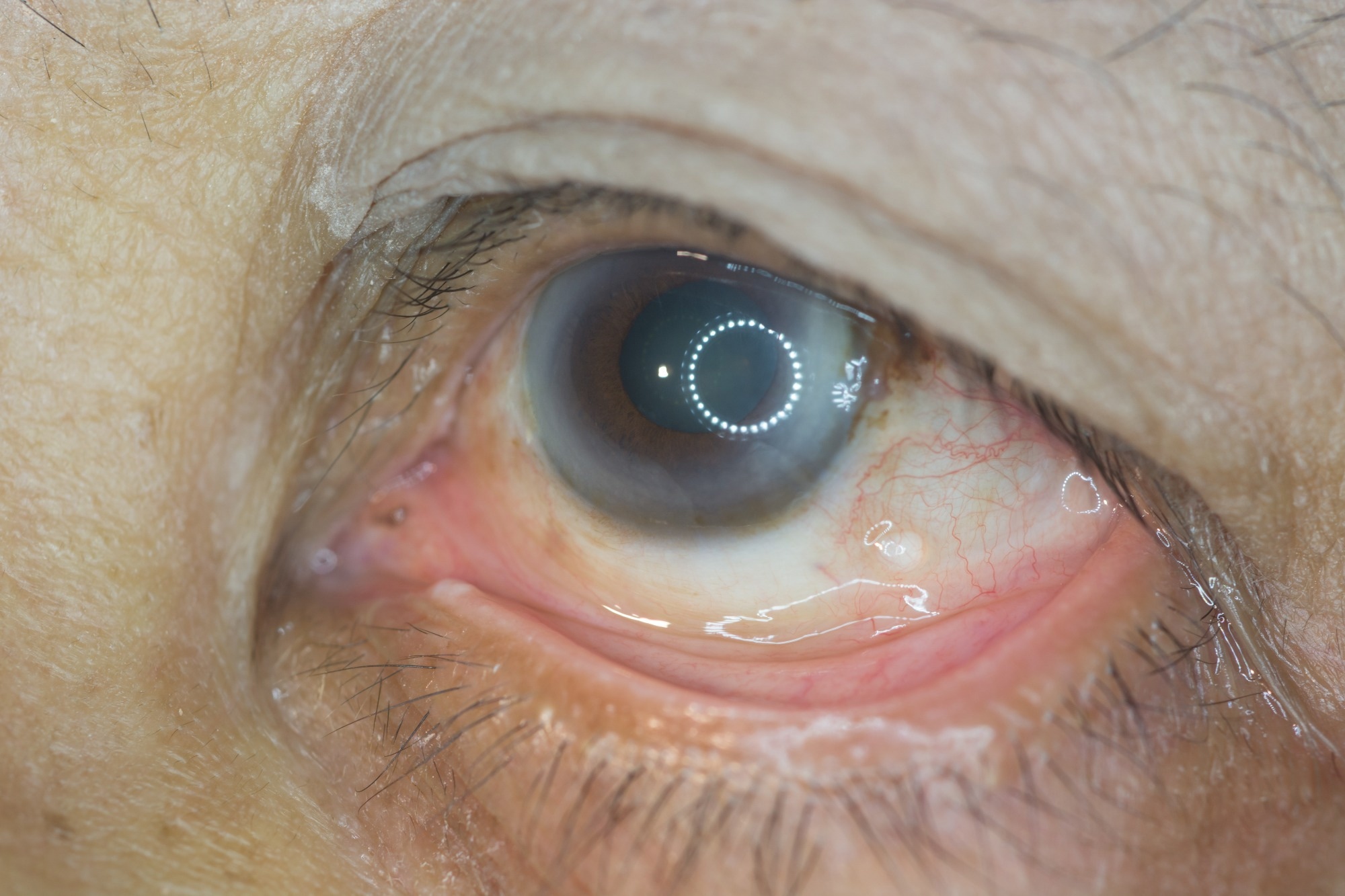
Study: Caffeine and risk of diabetic retinopathy in type 2 diabetes mellitus: results from clinical and experimental studies. Image credit: ARZTSAMUI / Shutterstock.com
Caffeine and DR
Caffeine (1,3,7-trimethylxanthine) is an active dietary component important for health. Some of the main sources of caffeine include tea, coffee, energy drinks, cola, chocolate, alcoholic beverages, and some other food items such as gum.
Coffee is the richest source of caffeine taken daily by most of the general population around the world. Numerous studies have reported that drinking two to three cups of coffee can reduce the incidence of type 2 diabetes (T2DM) and cardiovascular disease.
However, a recent study indicated that the association between DR and caffeine remains uncertain. For example, drinking more than two cups of coffee per day has been reported to be inversely correlated with the prevalence of DR in people with T2DM.
Another study indicated that daily caffeine consumption may alter retinal microvasculature in adults at increased risk of cardiovascular problems, while another study reported a protective effect of caffeine on the blood-retinal barrier in a model diabetic macular edema cell. However, few studies have also reported a neuroprotective effect of green tea on the retina of diabetic rats.
About the study
A new study in Nutrients discusses the relationship between caffeine intake and DR risk in people with T2DM without any other late-onset diabetic complications. It assesses the impact of caffeine using an experimental model of diabetes.
The current study involved 144 patients with T2DM with DR and 147 people with T2DM without DR. Recruitment of participants took place in the DR Screening and Treatment Program at the Arnau de Vilanova University Hospital in Lleida, Spain, between March 2010 and January 2013. Information on gender, age, self-reported ethnic group, physical activity, smoking status, blood pressure, education level, glycated hemoglobin (HbA1c), and antihypertensive and lipid-lowering medications were obtained from all participants.
Data on antidiabetic treatments and duration of diabetes were also obtained. Blood and urine samples were collected from all participants after fasting for 12 hours. A validated 101-item semi-quantitative (FFQ) food frequency questionnaire was used to assess usual food and nutrient intake, followed by a calculation of caffeine intake.
In the experimental diabetic model, db/db male mice and non-diabetic control (db/+) male mice were subjected to caffeine or excipient eye drops. Caffeine or vehicle eye drops were administered to the mice twice daily in each eye for two weeks.
After mice were euthanized, mouse retinas were stained for glial fibrillary acidic protein (GFAP) to assess the extent of neurovascular damage caused by either treatment. Additionally, the Evans blue method has been used to determine the permeability of the retinal vasculature by measuring the amount of albumin leaking from the retinas.
Study results
People with DR were older, had larger waist circumference, higher frequency of hypertension, higher systolic blood pressure, higher glycated hemoglobin (HbA1c) levels, longer duration of diabetes , higher and lower high-density lipoprotein cholesterol (HDL-c) levels. education levels.
T2DM patients who consumed less caffeine were more frequently affected by DR. However, no significant association was observed between coffee and tea consumption and the prevalence of DR. However, duration of diabetes, HbA1c and hypertension were associated with an increased risk of DR.
No differences in blood glucose concentrations and body weight were observed in db/db mice treated with caffeine compared to control mice.
Histological examination revealed that GFAP expression was confined to the retinal ganglion cell layer in non-diabetic mice compared to diabetic mice, which was expected. Notably, mice given caffeine showed no increase in GFAP expression, indicating that reactive gliosis did not increase following caffeine exposure.
Non-diabetic mice exhibited less albumin leakage than vehicle-treated diabetic mice. Although albumin leakage was lower in diabetic mice treated with caffeine than in those treated with vehicle, this difference was insignificant.
conclusion
Study results indicate that moderate and high caffeine intake provides protection against the development of DR in people with diabetes. Nevertheless, this difference was not replicated when comparing coffee and tea drinkers, which can be attributed to the different antioxidant compounds present in these beverages which may also offer some degree of protection against DR. Moreover, the live the results of the current study indicated no effect of caffeine on the retina.
More studies are needed to understand the possible benefits of caffeine consumption and how other compounds found in tea and coffee may contribute to these effects. Further research into the potential mechanisms responsible for the development of DR in people with T2DM is also needed.
Boundaries
The current study could not establish a relationship between caffeine consumption and the development of DR. A second limitation was due to the small sample size in the human study. Finally, the presence of other compounds in caffeinated beverages was not analyzed.
Journal reference:
- Alcubierre, N., Granado-Casas, M., Bogdanov, P., et al. (2023). Caffeine and risk of diabetic retinopathy in type 2 diabetes mellitus: results from clinical and experimental studies. Nutrients. doi:10.3390/nu15051169.
|
Sources 2/ https://www.news-medical.net/news/20230305/The-role-of-caffeine-in-preventing-diabetic-retinopathy.aspx The mention sources can contact us to remove/changing this article |
[ad_2]