
[ad_1]
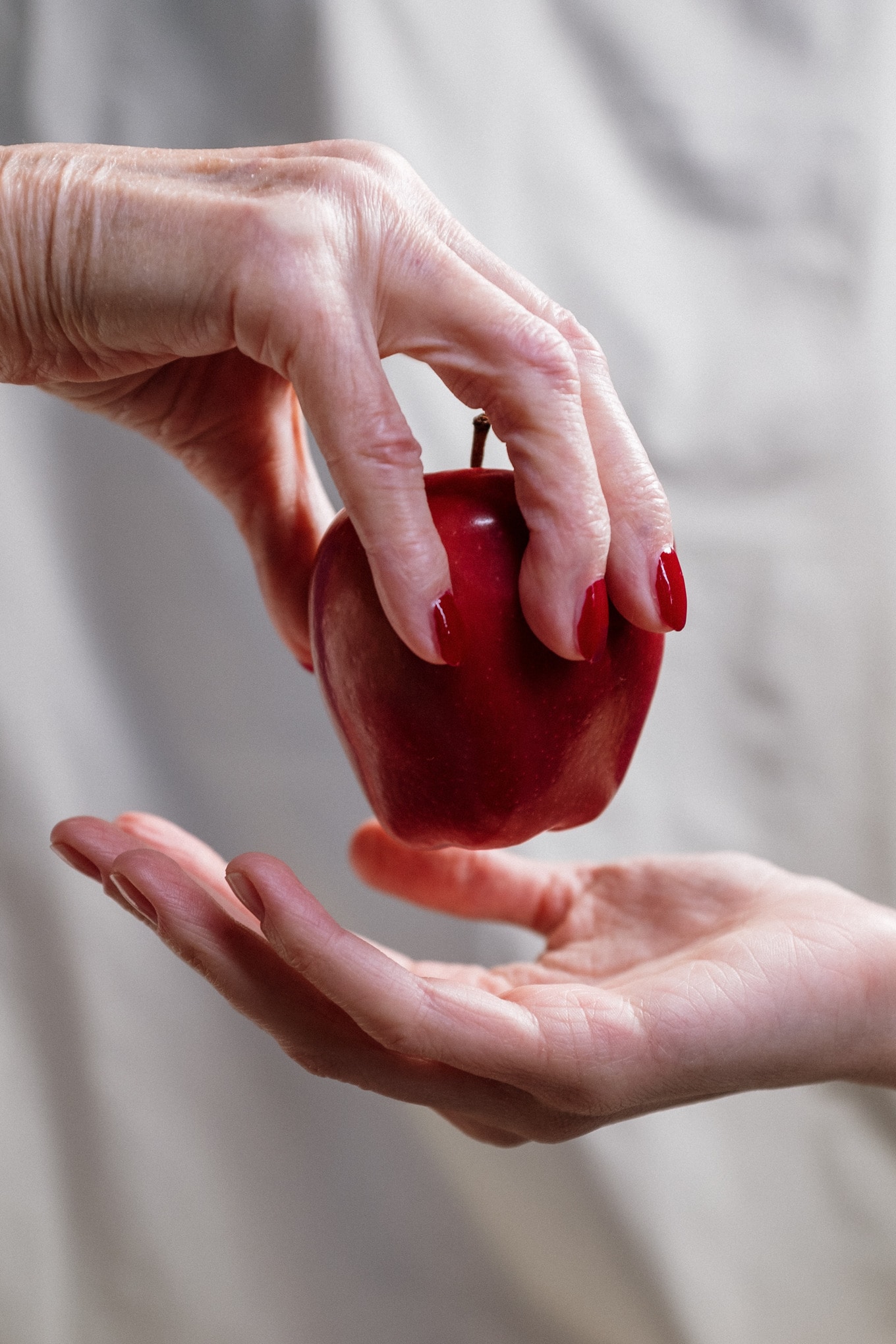
Does an apple a day really keep the doctor away? The answer is “yes” according to a news study published this week in the scientific journal American Journal of Clinical Nutrition.
In the study, researchers sought to better understand the role of flavonols (a group of plant compounds) and specific flavonoids on frailty – a condition common in 10-15% of older adults that is characterized by an increased risk of falls, fractures, disability, hospitalization and mortality.
 Cotton Bro Studio/Pexels
“There may be some validity to the old adage, ‘An apple a day keeps the doctor (or frailty) away,'” the authors said in a statement. “Our results suggest that for each 10 mg higher intake of flavonols per day, the risks of frailty were reduced by 20%.”
How to protect yourself from fragility? “Individuals can easily consume 10 mg of flavonols per day, as an average sized apple contains about 10 mg of flavonols,” the authors said.
Plant foods to reduce the risk of frailty
The study was conducted by researchers from Beth Israel Deaconess Medical Center, Harvard Medical School (and its Hebrew SeniorLife affiliate), and the Hinda and Arthur Marcus Institute for Research in Aging.
For the study – one of the first comprehensive community reviews of the role of dietary flavonoids in preventing frailty – researchers used data from the Framingham Heart Study-Offspring Cohort to determine the association between flavonoid intake and the appearance of fragility.
The study included a total of 1,701 participants who were frailty-free at baseline. The researchers followed these people for 12 years and, using the Fried Frailty Phenotype test, determined that 13.2% of them had developed frailty.
“Although there was no significant association between total flavonoid intake and frailty, higher intake of flavonols (one of the subclasses of flavonoids) was associated with a lower likelihood of develop frailty,” co-authors Shivani Sahni, PhD, and Courtney L. Millar, PhD said in a statement.
 James Trenda/Unsplash
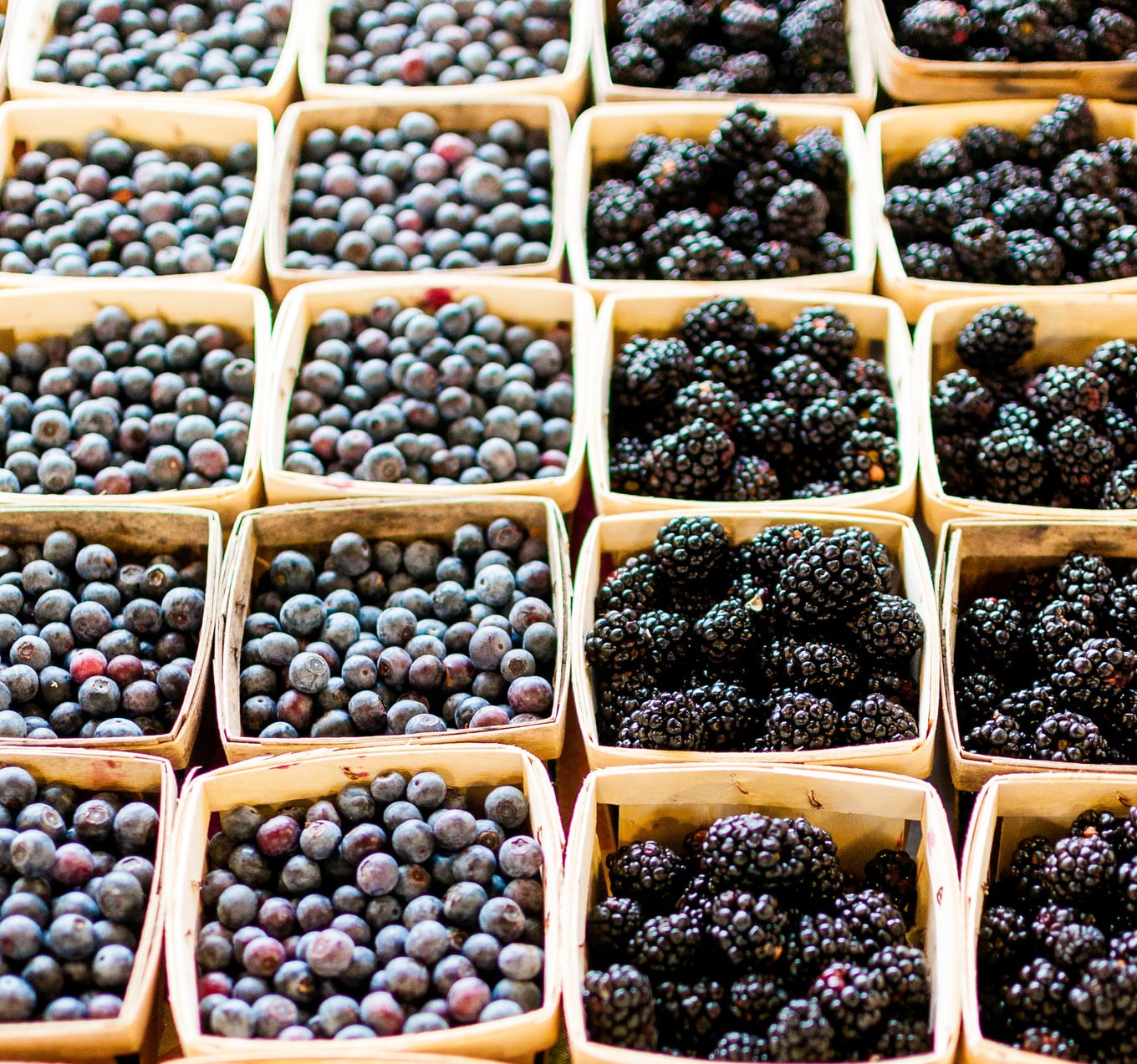
In addition to apples, researchers found blackberries and other plant foods rich in specific flavonoid quercetin be the most effective in reducing the risk of frailty.
“Specifically, higher quercetin intake was the flavonoid that had the strongest association with preventing frailty,” the authors said. “These data suggest that there may be particular subclasses of flavonoids that have the most potential as a dietary strategy for the prevention of frailty.”
While people can use these findings to reduce their risk of frailty by consuming more apples and blackberries, the study points out that more research is needed in participants of various races and ethnicities.
Vegetable proteins to reduce the risk of frailty
In the recent study, researchers chose to focus on flavonoids to better understand dietary interventions for frailty risk, which typically focus on protein intake.
How do vegetable proteins reduce the risk of frailty? A 2022 study published in the scientific publication Cachexia, Sarcopenia and Muscle Diary found that replacing animal protein with plant protein is associated with a significantly lower risk of frailty in older women.
 Unsplash
In this study, a comprehensive analysis was conducted using data from more than 85,000 women aged 60 and over who were part of the Nurses’ Health Study. This study is of considerable importance as it is one of the largest surveys focused on identifying risk factors for major chronic diseases in women.
To measure dietary protein intake, the researchers used food frequency questionnaires administered at nine follow-up visits spanning from 1980 to 2010. In total, the researchers identified more than 13,000 cases of frailty during the study.
The results revealed that replacing just 5% of animal protein, dairy protein or non-dairy animal protein (which includes meat and egg protein) with plant protein was linked to a reduced risk of frailty of 38%, 32% and 42%. , respectively. Additionally, the study found that replacing dairy protein with non-dairy animal protein was associated with a 14% lower risk of frailty.
This study builds on previous research on the subject. In 2020, another study was also carried out using data from the Nurses’ Health Study to explore the impact of different diets on the risk of frailty in older women.
 Pexels
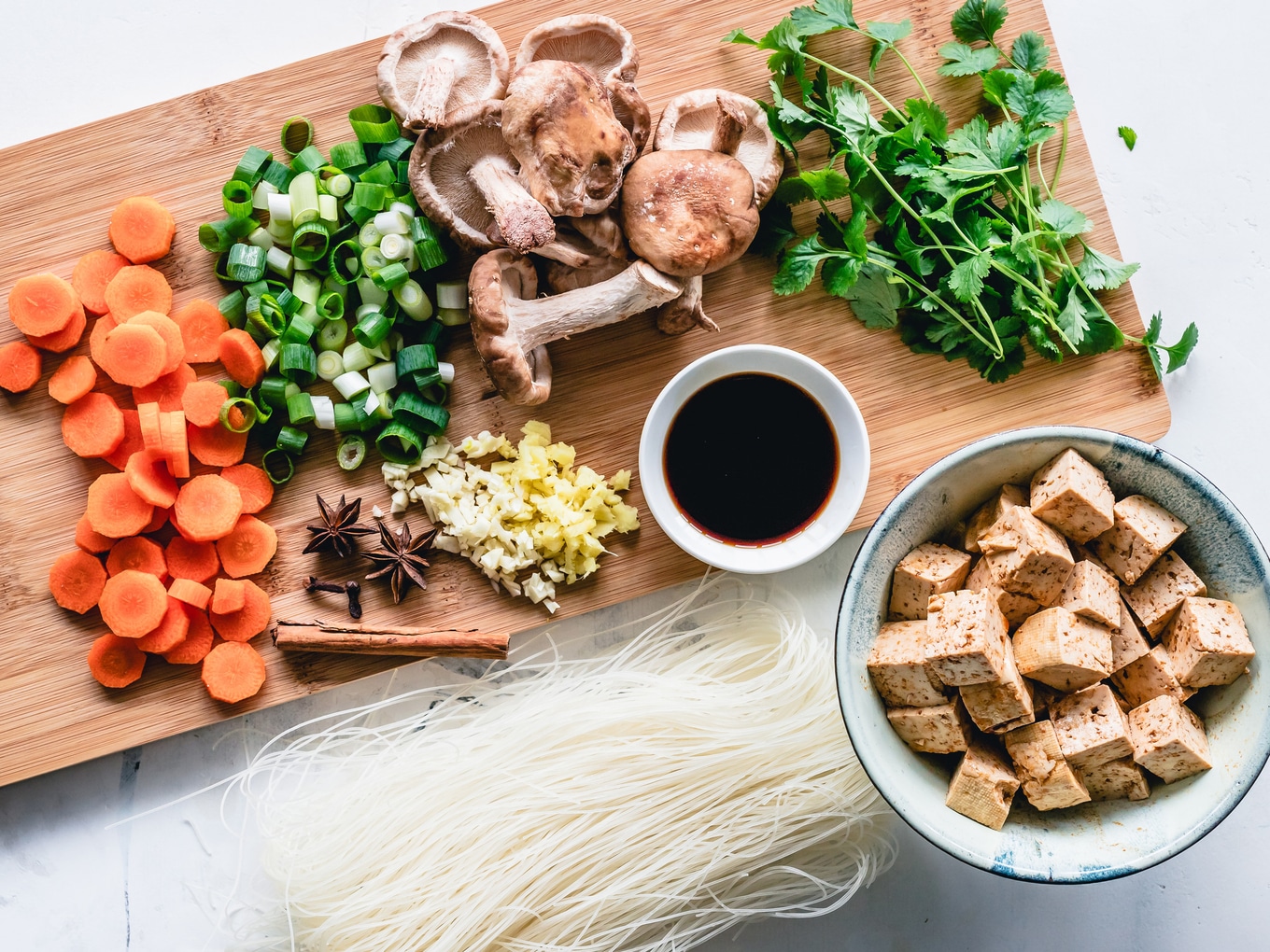
This particular study focused on three types of diets that emphasize the consumption of plant-based whole foods: the alternative Mediterranean diet, the DASH diet (Dietary approaches to stop hypertension) and the alternative healthy eating index.
The results here revealed that certain components of these diets, such as reduced consumption of red and processed meat, reduced sodium intake, and a higher ratio of monounsaturated and saturated fats and vegetables, were all associated with a decrease in risk of fragility.
For the latest vegan news, read:

Anna Starostinetskaya is the editor-in-chief of VegNews and always keeps tabs on all things vegan in her hometown of San Francisco, California, and everywhere else.
|
Sources 2/ https://vegnews.com/2023/5/apple-a-day-frailty-risk-study The mention sources can contact us to remove/changing this article |
[ad_2]