
[ad_1]
A recent study published in the Eurosurveillance Journal describes serious and fatal infections in newborns caused by a new variant of echovirus 11 (E-11) in France.
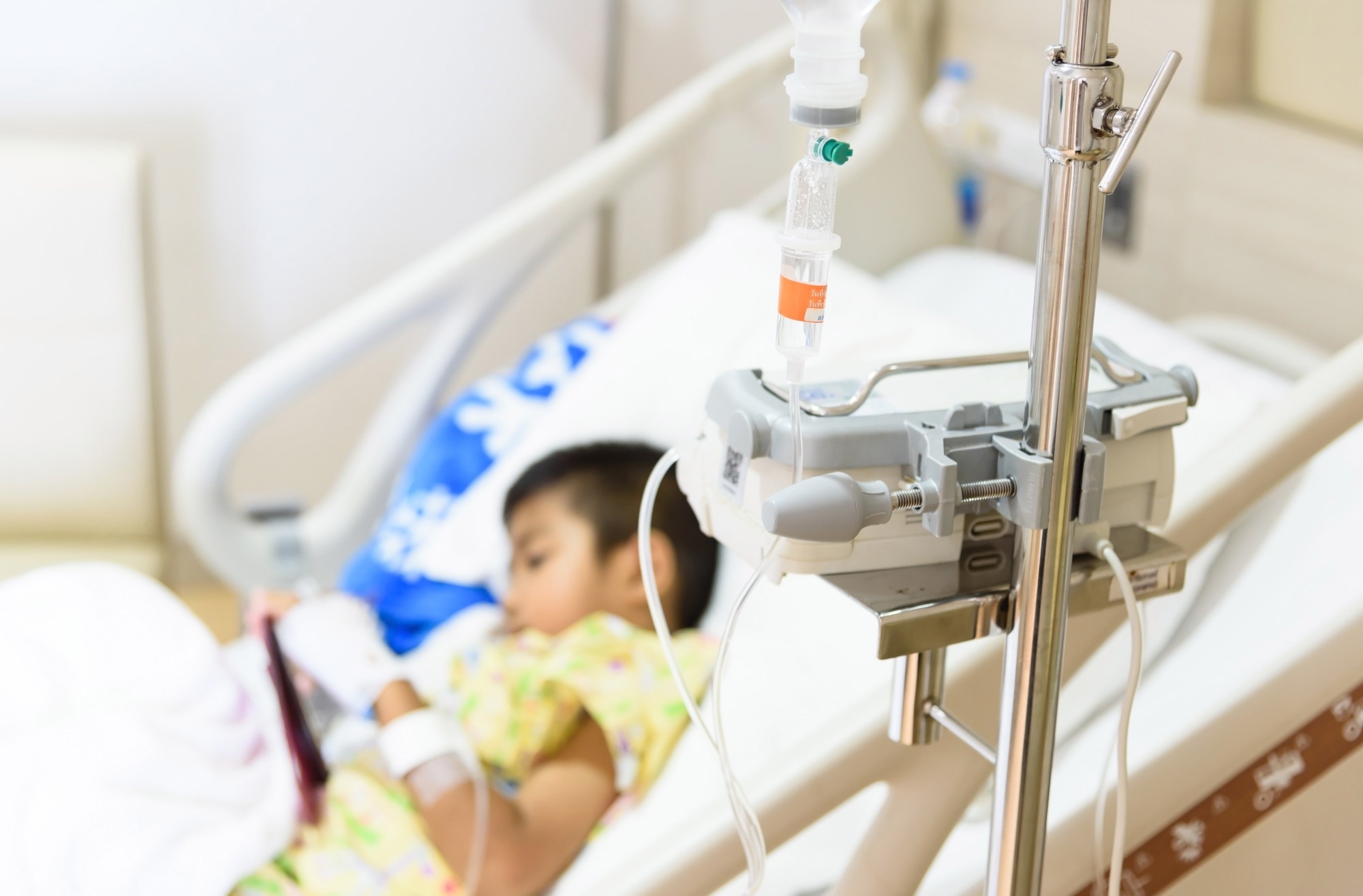 Study: Serious and fatal neonatal infections linked to a new variant of echovirus 11, France, July 2022 to April 2023. Image Credit: KomsanLoonprom/Shutterstock.com
Background
Enteroviruses usually cause infections in newborns. The clinical manifestation varies from asymptomatic illness to severe illness or death. Nine neonatal cases of disease with liver failure were reported in France from July 2022 to April 2023.
Seven deaths have been reported among them. All were paired with a new E-11 variant. In the present study, the researchers described the characteristics of this outbreak of serious neonatal infections.
Description of the case
The nine cases, all male, from three French cities were admitted to pediatric intensive care for suspected sepsis.
Eight patients were from twin pregnancies and only one was born at term from a single pregnancy; all were born between 31 and 36 weeks of pregnancy and were initially hospitalized in neonatology units before the onset of symptoms.
The first symptoms (fever and apnea) appeared three to five days after birth. The initial symptoms were quickly followed by signs of septic shock requiring active resuscitation.
Acute hepatocellular insufficiency with severe cytolysis was observed in all patients on the day of hospitalization. Quick factor, fibrinogen and blood coagulation factors II, V, VII and X were not detectable in all cases.
Patients presented with hyperammonemia; three were treated by haemodialysis, five by sodium benzoate and one died before the start of treatment. Thrombocytopenia was observed in all patients; seven required plasma, platelets and tranexamic acid.
Two patients presented with enterocolitis, three cases with meningoencephalitis and one with myocarditis. In addition, acute renal failure at onset of symptoms was observed in all cases.
Five patients had normal transfontanal ultrasound findings, while two patients had grade III bilateral intraventricular hemorrhage and two others had multiple hyperechoic white matter lesions.
Blood cultures for bacteria were negative within 48 hours of symptom onset for seven patients. However, one patient tested positive for Staphylococcus epidermis, and another was positive for Escherichia coli.
The enteroviral genome was detected in all specimens, including cerebrospinal fluid, blood, stool, dried blood spots, post-mortem biopsies, and nasopharyngeal, throat, and rectal swabs. Next-generation sequencing identified E-11 as the causative agent in all cases.
Five mothers had gastrointestinal symptoms at or before delivery, and four peripartum blood samples were available.
Maternal samples tested positive for enterovirus and were later identified as E-11. Empirical antibiotic treatment was started as soon as symptoms appeared in all patients. Pocapavir was used for the treatment of three cases and polyvalent intravenous immunoglobulins were administered to seven patients.
Of the nine cases, seven patients died between five and 40 days of life. Two patients survived without sequelae.
Molecular characterization and monitoring
The researchers carried out phylogenetic analyzes of the E-11 sequences from samples collected during the period 2010-23 in France and those from other countries available in the GenBank.
The E-11 strains sequenced in 2022 and 2023 split into two different lineages (1 and 2), distinct from the pre-2022 E-11 strains. Lineage 1 included sequences associated with non-neonatal and severe non-severe neonatal infections.
Lineage 2 included the remaining French E-11 sequences from 2022, related to those isolated in 2018-19 in China. A recombinant origin was implicated for both lines by analysis of the similarity plot.
More than 2,000 enterovirus cases were reported in France from January 2022 to April 2023. Of these, 24.5% of patients were neonates, and E-11 was the predominant type of enterovirus in infants. newborns and non-newborns.
E-11 has been systematically detected in France since April 2022. In 2022-23, 28 neonatal cases presented with a severe enteroviral infection. Of these, 14 cases have been identified as E-11.
In contrast, 62 serious neonatal cases were documented between 2016 and 2021, and E-11 was detected in 6.2% of cases. Additionally, newborn males were overrepresented among severe cases of enterovirus or E-11.
Final remarks
Taken together, the study suggests that a new E-11 variant associated with an increased risk of severe neonatal infection and mortality is circulating in France. Clinicians should be alert to the potential involvement of enteroviruses in severe presentations in neonates.
Newborns with unexplained sepsis with evidence of liver failure (with cytolysis) and myocarditis should be evaluated for enterovirus infection, particularly if the mother had symptoms before delivery, and treatment with pocapavir or immunoglobulins should be considered.
|
Sources 2/ https://www.news-medical.net/news/20230605/The-clinical-and-virological-characteristics-of-severe-neonatal-echovirus-11-infections.aspx The mention sources can contact us to remove/changing this article |
[ad_2]