
[ad_1]

What you need to know about the Measles outbreak: Watch
Cases of the measles are on the rise, but many doctors have never treated a case. Here’s what you should know.
If you believe you’ve been exposed to the measles virus, contact your health care provider or the your county health department for vaccination information and additional guidance.
Also, monitor for symptoms for 21 days after the date of potential exposure. If symptoms develop, call ahead before visiting a doctor, urgent care center, or hospital emergency department so they can take precautions to avoid exposing others.
What are symptoms of measles?
Symptoms typically start within 7-14 days of exposure, but also have been known to appear as long as 21 days after initial exposure and can include:
- Fever, which may rise above 104 degrees.
- Respiratory symptoms such as runny nose, cough, and red, watery eyes.
- Two to three days after symptoms begin, tiny white spots, known as Koplik spots, may develop on the inner cheeks, gums and roof of the mouth.
- Three to five days after symptoms begin, a rash that is red, raised and blotchy appears. It usually begins on the face and spreads to trunk, arms and legs.
How serious is a measles infection?
Measles can cause serious illness, long-term disability and death in people of all ages.
So far in 2024, 167 people in the U.S. have had confirmed measles cases, the U.S. Centers for Disease Control and Prevention reported. Of them, 53% were hospitalized for treatment of complications; the majority of hospitalizations were among children.
About 1 in 20 kids with measles develops pneumonia. Roughly 1 out of every 1,000 children who have measles infections will also have encephalitis. Brain swelling from encephalitis can lead to convulsions, permanent hearing loss, intellectual disability and death, according to the CDC.
Anywhere from 1 to 3 out of every 1,000 children with measles dies from respiratory or neurologic complications from the virus.
More: Macomb County child with measles exposed others at motel, hospital
How can measles be prevented?
“Preventing measles is simple — all residents should get vaccinated to prevent this disease,” said Dr. Natasha Bagdasarian, the state’s chief medical executive, in a statement. “Vaccination can prevent illness and provide peace of mind in case you or your family member is exposed. As we get ready for back-to-school season, now is a great time to check with your health care provider to make sure you are current with all your vaccines.”
More: Macomb County child with measles exposed others at motel, hospital
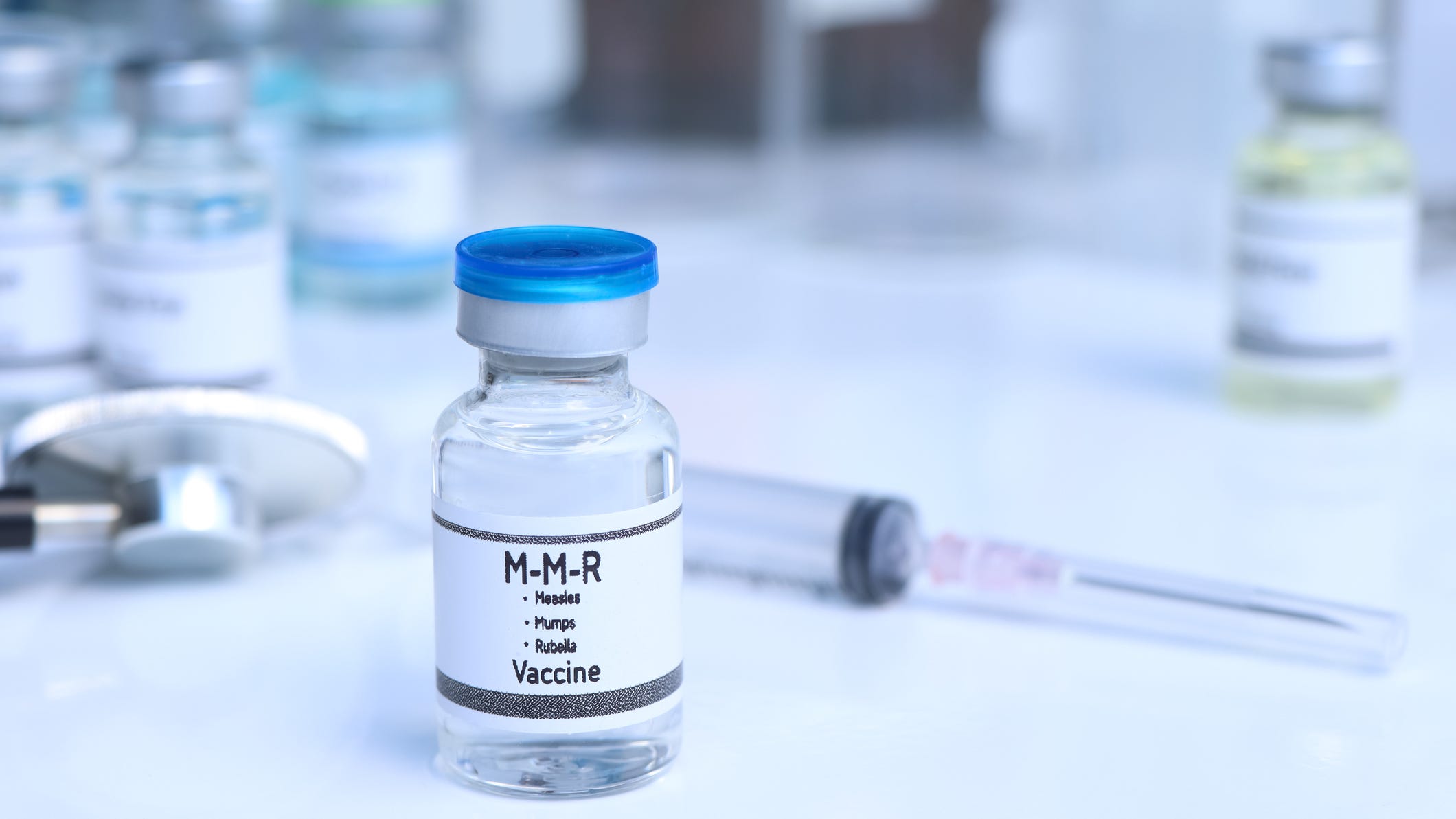
The U.S. Centers for Disease Control and Prevention recommends the following when it comes to the measles, mumps, rubella vaccine:
- A first dose for children at 12-15 months old, with a booster dose administered between ages 4 and 6.
- Anyone born during or after 1957 without evidence of immunity against measles or documentation of having been vaccinated with two doses of MMR vaccine should get vaccinated. The second dose should be given no sooner than 28 days after the first.
- People exposed to measles who cannot document immunity against the virus should get post-exposure prophylaxis — a dose of the vaccine to potentially provide protection within 72 hours of initial exposure, or immunoglobulin within six days of exposure.
Contact Kristen Shamus: [email protected]. Subscribe to the Free Press.
|
Sources 2/ https://www.freep.com/story/news/local/michigan/2024/07/13/what-if-ive-been-exposed-to-measles/74385594007/ The mention sources can contact us to remove/changing this article |
[ad_2]