
[ad_1]
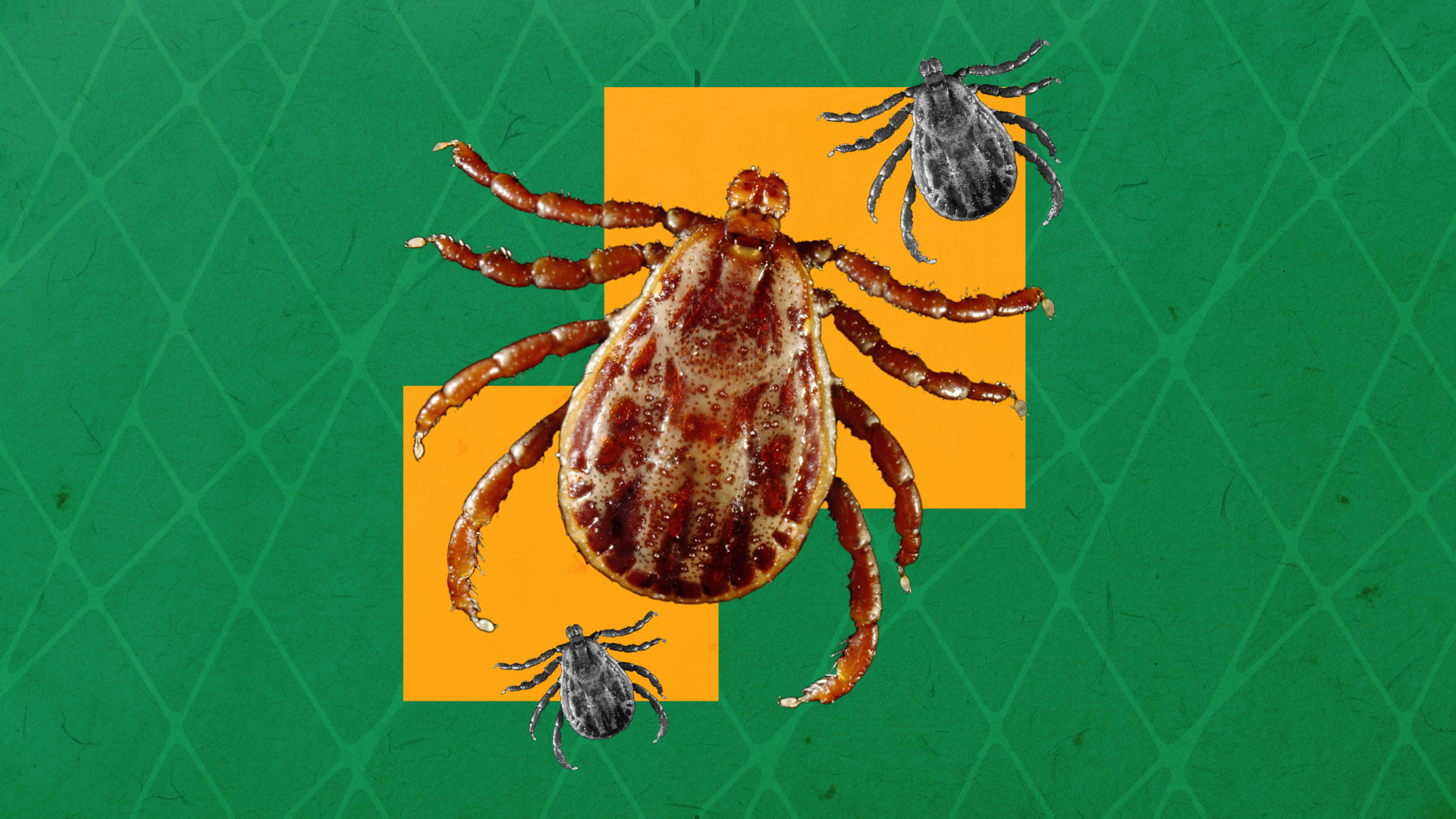

Are you risking Lyme disease? Here’s how to remove ticks
Are you removing ticks correctly? Here’s everything you need to know about ticks and how you can combat Lyme disease.
Just the FAQs, USA TODAY
- Early Lyme disease symptoms include fever, chills, headache, fatigue, muscle and joint aches, and swollen lymph nodes, sometimes accompanied by a “bullseye” rash.
- Ticks thrive in shady areas and are commonly found on deer trails, so wearing long pants tucked into socks and using tick repellent is recommended.
Spring means warmer weather and an uptick in peak activity of nymph ticks making May the best time to highlight National Lyme Disease Awareness month.
The month is dedicated to prevention and early detection.
“Lyme disease is a bacterial infection that is transmitted by the Black-legged tick,” said Dr. Martha Buchanan, director of the bureau of communicable disease prevention and control for the South Carolina Department of Health. “The tick has to bite the human and stay attached for a little while to transmit the bacteria into the human system.”
Buchanan said it can take anywhere from three to 30 days after the tick bite for symptoms to show. Early symptoms, according to the Centers for Disease Control and Prevention, include:
- Fever
- Chills
- Headache
- Fatigue
- Muscle and joint aches
- Swollen lymph nodes may occur in the absence of rash
“Between 70% to 80% of people develop a rash,” said Buchanan. “The rash starts at the site where the tick attached. It’s called Erythema migrans. As it spreads out it might eventually develop into what looks like a classic bullseye. But that doesn’t always happen.”
Buchanan added, “If several days after you’ve been in the woods you develop chills and a fever you might want to talk to your doctor about the possibility of having Lyme disease.”
Later symptoms include:
- Nerve pain
- Severe headaches and neck stiffness
- Heart palpitations or an irregular heartbeat
- Episodes of dizziness or shortness of breath
- Facial palsy-loss of muscle tone or droop on one or both sides of the face
- Arthritis with severe joint pain and swelling, particularly the knees and other large joints
“Georgia has 23 tick species,” Nancy Hinkle, University of Georgia entomology professor, told The Augusta Chronicle in an email. “But not all of them will feed on humans. We have about a half dozen that are serious human pests.”
Three tick species most commonly associated with humans include:
- Lone Star tick
- American dog tick
- Black-legged tick
Tick hang spots
“Ticks aren’t likely to be out in the middle of a manicured lawn or a pasture or any place where they are exposed to sunlight,” said Hinkle. “Ticks dry out easily, so they stick to shady areas. They also get moved around by animals. They tend to fall off those animals either where the hosts sleep or where the hosts travel. If you’re walking on a deer trail, there are likely to be more ticks there.”
Hinkle said just because you’re bitten by a tick doesn’t automatically mean you have Lyme Disease.
“In Georgia the Black-legged tick is our winter tick, found only from late fall, typically October to spring around March,” said Hinkle. “I have never had a Black-legged tick submitted for identification between April and September. Because people typically wear more clothes in the winter. They have better protection against ticks, including the Black-legged tick. So very few humans are bitten by Black-legged ticks in Georgia.”
How to prevent tick bites
“There are multiple strategies involved in preventing tick bites,” said Hinkle. “Wearing long pants with the cuffs tucked into socks is effective in keeping the ticks on the clothing surface, making them easier to see and remove as they crawl up. Spraying socks and pants below the knees with a tick repellent containing permethrin, available at hiking and big box stores, not only repels ticks but will kill them if they don’t get off fast enough.”
- A repellent containing DEET can be used on the skin to repel ticks.
- Do not sit on the ground in tick-infested areas.
- Ticks hide in thatch and duff, waiting for a host.
- At the end of the day, everyone who has been outside in Georgia should do a tick check.
- Examining every part of their body for attached ticks.
- Do daily tick checks on children and pets.
This reporting content is supported by a partnership with several funders and Journalism Funding Partners.
Erica Van Buren is the climate change reporter for The Augusta Chronicle, part of the USA TODAY Network. Connect with her at [email protected] or on X: @EricaVanBuren32.
|
Sources 2/ https://www.augustachronicle.com/story/news/environment/2025/05/08/uptick-in-tick-activity-in-may-coinciding-with-national-lyme-disease-awareness-month/83495763007/ The mention sources can contact us to remove/changing this article |
[ad_2]