
[ad_1]
Even though I grew up in sunny Florida, I was still pretty prone to sunburn – especially during the annual family vacations, when I spent hours with my cousins playing in the ocean and came out with bright red burns sometimes always hurt. Even though this only happened about once a year, my mom would tell me that bad sunburn meant I was X% more likely to get skin cancer in the future. In my memory, this percentage fluctuates from 20% to 50% or even 80%.
Even though my mom wasn’t a dermatologist, I should have listened to her pleas to wear sunscreen and take care of my future skin and health. As I got older, I often thought about the stats she shared, wondering if she was right or was a little melodramatic. Everyone gets sunburned from time to time, right? How bad could it really be?
According to dermatologists, it is far Okay. And my mom’s stats weren’t far off, actually.
“We think that a blistering childhood sunburns double the risk of developing melanoma later in life, ”said Boca Raton-based dermatologist Jeffrey Fromowitz, citing a statistic supported by research and Skin cancer foundation. Fromowitz also shared that five or more “typical” sunburns (no blisters) also double your risk of developing melanoma, the most dangerous and deadly type of skin cancer.
What a sunburn In fact made to your skin
Most of us know that sunburn is not particularly pleasant. They can be painful, tender, and stinging. They can cause blistering or peeling of the skin. But fewer of us are probably aware of what is really going on in our skin cells when we get sunburned.
Debra jaliman is a certified dermatologist and assistant professor of dermatology at the Icahn School of Medicine at Mount Sinai in New York, and the author of the book “Skin Rules: Trade Secrets From a Best New York Dermatologist.She told HuffPost that too much exposure to ultraviolet (UV) rays from the sun is what specifically causes sunburn.
“A sunburn is how your body responds to damage from UV rays. When your body absorbs too much sun, it reacts by turning red, ”Jaliman said. “The redness and pain caused by sunburn is due to the reaction of your body’s immune system and its natural inflammatory response. The skin cells are given extra blood to help the damaged skin heal.

If the word “radiation” scares you, it should, because that’s exactly what happens to your skin when you spend too much time in the sun without proper protection. Jaliman echoes Fromowitz’s argument that a single sunburn can increase the risk of lifelong skin cancer, so it’s worth taking seriously.
Don’t sweep a bad burn
It bears repeating that just one sunburn can double your risk of developing melanoma.
“Sunburn should never be normalized,” Jaliman explained, noting that if you have a family history of skin cancer, you should be very careful (although everyone should wear an SPF of 30 or higher when exposed to the sun). “Genetics play a role. Families tend to have similar skin types, which can increase your risk of developing skin cancer if you have a strong family history of malignant melanoma.
If you are wondering about that afternoon you spent in the sun last weekend and the slight pink tint that appeared on your shoulders or face, it is important to know that this, too, is risky.
“Even turning pink from the sun indicates damage at the cellular level,” Fromowitz explained.
Do you think you’re safe because you don’t have fair skin? Think again. You could be MORE at risk.
If you have a darker complexion and don’t tend to burn as quickly or easily as others, that’s no reason to lower your guard when it comes to sun protection. In fact, it may be a reason to be even more careful.
“Many believe that because they have a certain type of skin, they are not at risk of skin cancer from sunburn. It’s important to know that anyone can get skin cancer, ”Jaliman said.
As Min Deng, dermatologist at MedStar Health, shared with HuffPost, skin cancers (including melanoma) affect blacks and Hispanics at disproportionate death rates compared to whites.
“When skin cancer is detected in blacks and Hispanics, they tend to be diagnosed at a later stage and, therefore, have a poorer prognosis,” Deng said.
What you need to know if you have a history of severe burns
If you are reading this story and panicking when you remember the painful burn you had at summer camp or when you thought that a regular tan was a good idea, it is important to know that there are still ways. to prioritize the health of your skin in the future.
You may not be able to change the damage done, but you can certainly be on the lookout for the first signs of skin cancer. Early detection often makes the difference between a good and a bad prognosis.
“Everyone should have an annual skin exam once they reach adulthood,” Jaliman said, noting that self-exams can also be important. “If you have a history of skin cancer and / or suspicious moles, other spots, or have a history of bad sunburn, you should get going sooner.”
Some things to watch out for, according to Jaliman: Atypical moles, that is, they have a large diameter, asymmetry, irregular border, or various shades of color.
How to avoid bad sunburn
Although most people know how to avoid bad sunburns (broad spectrum SPF 30 or more is a good bet), it bears repeating.
“Practice the sun safely and wear sun protective clothing (hats, UV-resistant fabrics, long sleeves, etc.),” Fromowitz said. “Remember to protect your eyes with UV filtered sunglasses as well.”
And if you think it only responds to the spring or summer months, think again.
“The UV rays that cause sunburn are not as strong in winter, but they are still present,” Jaliman said. “The UV rays that cause these fine lines, wrinkles and skin pigmentation to appear are present all year round. UV rays even pass through clouds.
There’s a reason why cloudy and windy days at the pool or the beach can sometimes cause bad sunburns, after all.
If you catch yourself thinking about your 10-year-old’s failure to reapply sunscreen before that beach volleyball or surf game, you are definitely not alone. Indulge yourself by making a home skin exam now, or make an appointment with a dermatologist – this could be the difference between catching skin cancer early or missing it altogether.
Now stock up on sunscreen and thank yourself later.
HuffPost may receive a share of purchases made through links on this page. Prices and availability subject to change.
Sunday Riley Light Hearted Daily Broad Spectrum SPF 30 Face Sunscreen

Sunday Riley
EltaMD UV Clear Broad Spectrum SPF 46
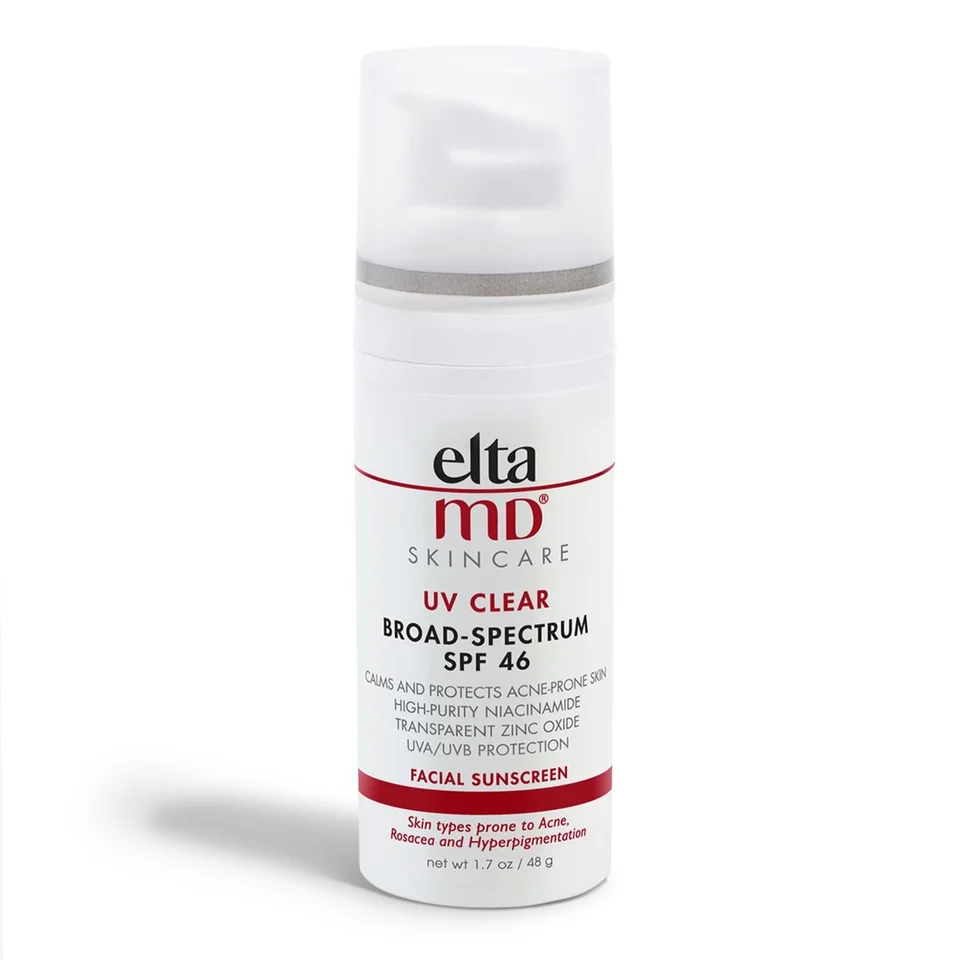
Elta MD
Kinship Self Reflect Probiotic Zinc Oxide Moisturizing Sunscreen SPF 32

Kinship
Tatcha Silken Broad Spectrum Pore Perfecting Sunscreen SPF 35

Tatcha
Fenty Skincare Hydra Vizor Invisible Moisturizer Broad Spectrum SPF 30 Sunscreen

Fenty
Super goup! (Re) fixing 100% Mineral Powder SPF 35

Super goup!
Sun Bum Original SPF 30 Face Sun Stick

Sun Bum
Colleen Rothschild Beauty Triple Defense Broad Spectrum SPF 40 Sunscreen

Colleen Rothschild
Renée Weightlessness Protection Roller SPF 30

Renée Rouleau
.
[ad_2]
Pictures Credit