
[ad_1]
Read more


The COVID-19 pandemic has severely disrupted the sector, with border closures dropping student enrollments by up to 70% from pre-pandemic levels in some areas.
Education Minister Alan Tudge told SBS Hindi that the new strategy aims to set the government’s goals for the next decade – starting with the recovery from COVID-19 and “putting our international student market back on track. where he was ”.
“We have been so successful and in some ways we have opened up the borders and also installed accelerators there to encourage people to come,” he said.
“The second step is more about the medium term and what we can do to make international education more resilient. Having a greater diversity of international students is one of them. [way]. “

Source: SBS News
He said diversifying student cohorts will reduce financial risk for institutions and maximize the student experience.
Government data showed that the top five markets for Australian universities accounted for 72% of enrollments last year, with 37% from China, 21% from India and 14% of the next three top markets. The remaining 28 percent came from other markets.
This compares to major competing markets such as the US, UK and Canada, where the strategy states that “diversification is increasingly a strategy to support sustainable growth in international education enrollment.” .
In the United States, 36 percent of listings came from China and 14 percent from India, while 39 percent came from other markets last year. The share from other markets reached 55 per cent in the UK.
Read more
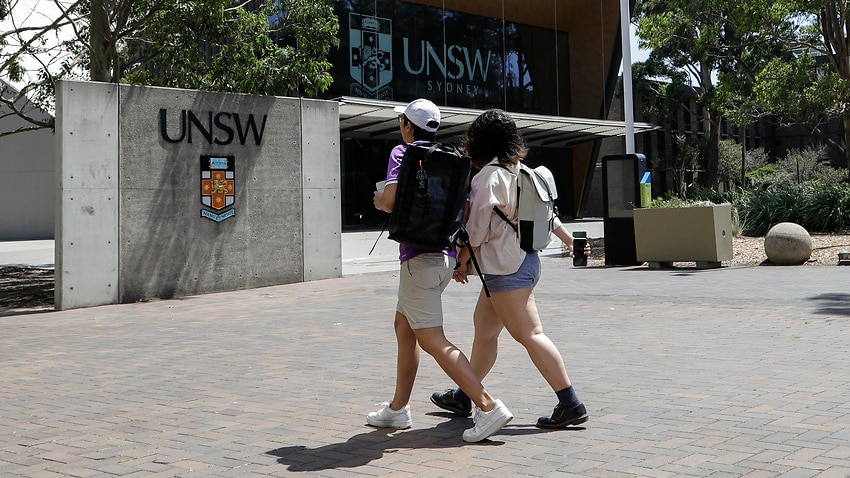
The government will introduce new transparency measures around student diversity, including a diversification index.
The strategy says Australia “will continue to have strong relationships with key partner countries, including India and China, as they remain valuable partners in international education.”
“I’m not saying we want anyone to cut back [their share], we’re just saying ‘think of other markets as well,’ ”Tudge said.
Read more
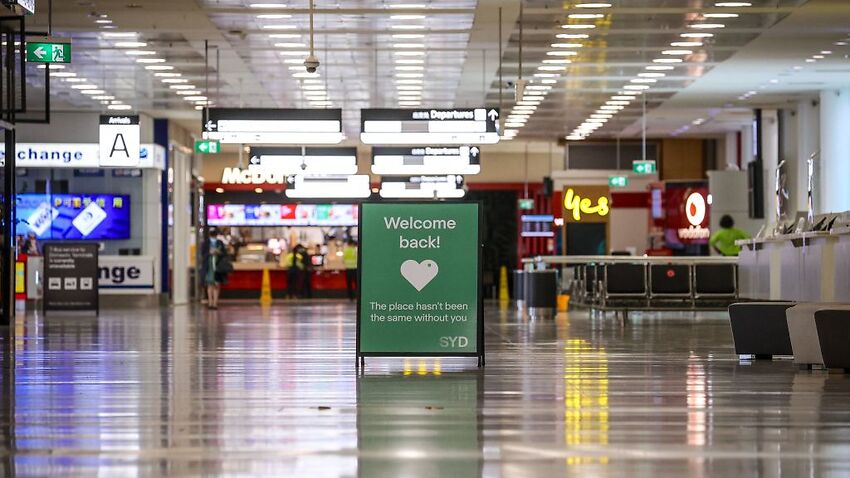
The strategy also describes ways to diversify courses in online and overseas delivery. While 58 percent of UK international students study abroad, Australia’s share is 20 percent.
“There is a huge opportunity to grow our international student market through high quality offshore courses, similar to what the UK has done,” Tudge said in a statement.
“We could potentially educate 10 million students this way in a decade or two, support the development of our neighbors and provide a source of income for our universities.”
The CEO of the International Education Association of Australia, Phil Honeywood, is the chairman of the Council for International Education, which oversaw the strategy.
He told SBS News it was crucial the industry now has a plan to work on.
“Likewise, the strategy will always work better if the form can take place in partnership with the government,” he said.
“With seven federal ministers having now approved this 10-year national strategy, we look forward to working with them to achieve results that will be beneficial – not only for education providers but also for the well-being of students.
“It’s a key part of the strategy.”
Mr Honeywood said the strategy places a strong emphasis on the need for improved mental health supports, safe and affordable student housing and integration between domestic and international students.
Read more

It also aims to provide an international education that “meets Australia’s skill needs”.
Currently, almost half of international enrollments at Australian universities are concentrated in business and commerce, while skill areas such as engineering, mathematics, technology and health have shares well below average. of the OECD.
Mr Tudge described the current alignment between what students study and the country’s skill shortages as a “bit of a mismatch”.
“With strong English skills and Australian qualifications, international graduates are well positioned to fill skills gaps and apply for residential and professional pathways, including through the Skilled Migration Program,” the strategy says.
The strategy follows an earlier government announcement this week that international students who were unable to travel to Australia during the pandemic were able to apply for a replacement visa.
The government will also increase the length of stay for temporary graduate visas from two to three years.
Immigration Minister Alex Hawke said the visa changes would put Australia on a competitive basis internationally.
|
Sources 2/ https://www.sbs.com.au/news/push-to-diversify-australia-s-international-student-cohort-under-new-government-plan/e13b2eb5-a50d-48b8-bf5a-20c3a62c653b The mention sources can contact us to remove/changing this article |
[ad_2]