
[ad_1]
News from our partners UK Health Security Agency
Public health experts from the UK Health Security Agency (UKHSA) West Midlands remind families of the simple steps they can take to ensure they enjoy visits to farms and petting zoos safely , during this semester and throughout the summer.
With Open Farm Sunday approaching on Sunday, June 11, 2023, people are reminded that there are little things they can do to reduce the risk of nasty stomach bugs like Salmonella, Cryptosporidium and E. coli that can be transmitted from farm animals to humans and cause disease.
UKHSA health protection teams have already seen outbreaks of stomach bugs linked to animal attractions across the country. We therefore urge anyone planning a trip to the farm to remember the importance of washing their hands thoroughly and frequently with soap and water, to avoid catching insects that could make them seriously ill. Once infected, you can also pass the bugs on to other people, who can also get sick.
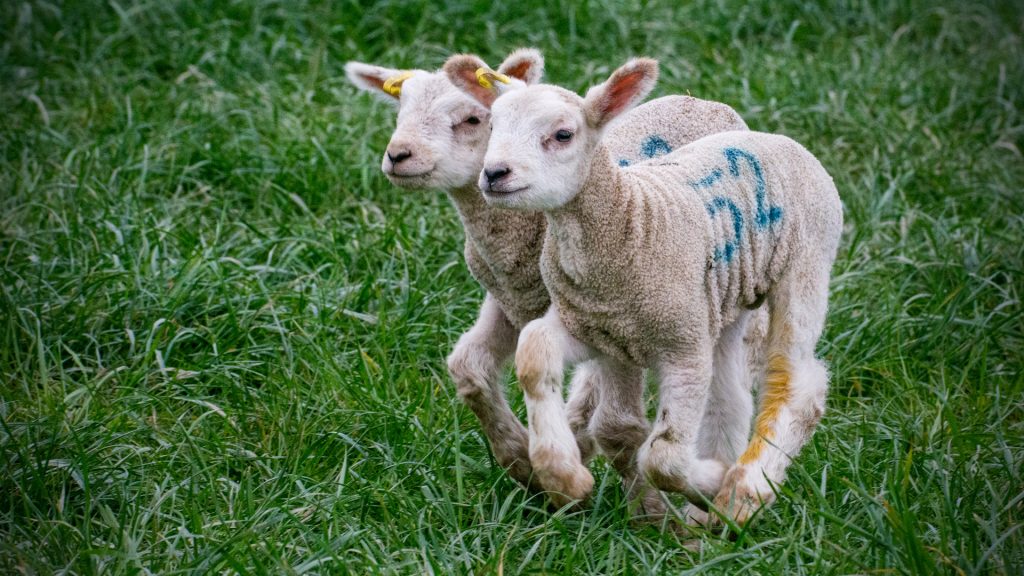
Are you visiting a zoo or a children’s farm? Follow the tips to stay safe.
What to do when visiting a farm
Following the simple rules listed below will help protect you and your children from infections that can be found in open farms. Pregnant women should take special care as infections acquired from animals can be harmful to them and their unborn baby.
- Wash your hands thoroughly with soap and water after touching animals, fences or other surfaces in animal areas. All open farms provide handwashing facilities for visitors.
- Wash your hands thoroughly with soap and water before eating or drinking.
- Remove and clean any boots or shoes that may have become soiled and clean the stroller wheels. Then wash your hands thoroughly with soap and water.
- Supervise children closely to make sure they wash their hands thoroughly.
- Washing your hands should take about 20 seconds, the same time it takes to recite a single verse from Old Macdonald Had A Farm.
- Eat and drink only at picnic areas or cafes.
- Do not put your hands in your face or fingers in your mouth when petting animals or walking around the farm.
- Do not kiss farm animals and do not allow children to put their face close to animals.
- Do not eat or drink while touching animals or walking around the farm. This includes not eating candy, chips, or chewing gum.
- Don’t eat anything that has fallen on the floor.
- Do not use gels or wipes instead of washing your hands with soap and water. Gels and wipes do not kill bugs in dirt.
What should I do if I don’t feel well after a visit to the farm?
- If you or any member of your party feel unwell or have symptoms, for example if you are ill or have diarrhea within two weeks of visiting a farm, contact your GP or call NHS 111 as soon as as possible. If you or anyone in your party, especially a young child, has bloody diarrhea seek emergency medical attention immediately.
- You should not go to school/daycare/work until you have been sick or have had diarrhea for two days. If you are diagnosed with Cryptosporidium, you should not go swimming for two weeks after you are free of illness or diarrhea, as the insects are chlorine resistant. Tests may be needed to confirm that a child is free from certain infections.
- Parents should confirm with their healthcare professional whether it is safe to return before the child returns to school or childcare.
Paul Fisher, health protection consultant at UKHSA West Midlands, said:-
Thousands of people in the West Midlands region visit animal attractions every year. Visiting a farm is a fun, entertaining and educational day, especially for children. However, animals can be the source of several insects that can be transmitted to humans and cause disease, with some infections being particularly serious for children or pregnant women. While the number of people who get sick is proportionately quite small, many cases could be prevented by practicing good hand hygiene.
Infections can be picked up by the animal’s body, its poop, or areas where animals have recently been. If the germs are on your hands, you could accidentally pass them to your mouth. You can’t see germs, so your hands may look clean. Even if you haven’t touched the animals themselves, you may have touched fences or other surfaces in areas where animals are or have been sitting and touching contaminated grass.
Washing hands thoroughly with soap and warm water immediately after contact with animals and before eating or drinking will reduce the risk of infection. Do not use gels or wipes in place of soap and water, as they do not replace hand washing. The farms provide handwashing facilities, so we encourage people to use them to ensure that the only things you take away from your visit are good memories.
Annabel Shackleton, LEAF Open Farm Sunday Manager, said:-
We want people to continue to enjoy visiting farms and agricultural events safely. This means taking the time after touching animals, enclosures or fences to wash your hands thoroughly with liquid soap, running water and dry them with disposable towels. Adults should always supervise children to ensure they wash their hands properly and grow up learning that clean hands are essential before eating! Antibacterial hand gel is not a substitute for hand washing, especially not when spending time with pets. If a dummy falls on the ground, it will need to be sterilized, and boots, shoes and strollers should also be washed when leaving a farm. Remember these simple things to make sure your visit to the farm is both enjoyable and safe.
Open Farm Sunday will see many farms open their doors to the public that normally wouldn’t. For more details, including open farms, visit the Open farm sunday home page.
More information
Additional information on zoonoses that are transmitted from animals to humans: https://www.gov.uk/government/collections/zoonotic-diseases-zoonoses-guidance-data-and-analysis
Advice for pregnant women on infections transmitted by contact with animals that have given birth or have just given birth: gov.uk/guidance/pregnancy-advice-on-contact-with-animals-that-are-giving-birth
The UK Health Security Agency (UKHSA) is responsible for protecting every member of every community from the impact of infectious diseases, chemical, biological, radiological and nuclear incidents and other health threats. We provide intellectual, scientific and operational leadership at national and local levels, as well as on the global stage, to secure the health of nations. UKHSA is an executive agency, sponsored by the Department of Health and Social Affairs.
Website: www.gov.uk/ukhsa Facebook: www.facebook.com/UKHealthSecurityAgency
Follow us on Twitter: @UKHSA @UKHSA_WestMids
|
Sources 2/ https://newsroom.shropshire.gov.uk/2023/05/farm-visit-safely-health-experts/ The mention sources can contact us to remove/changing this article |
[ad_2]