
[ad_1]
In a review article published in the journal Biomedicinesscientists provided detailed insight into inter-individual variation in gut microbiota and its association with diet and health.
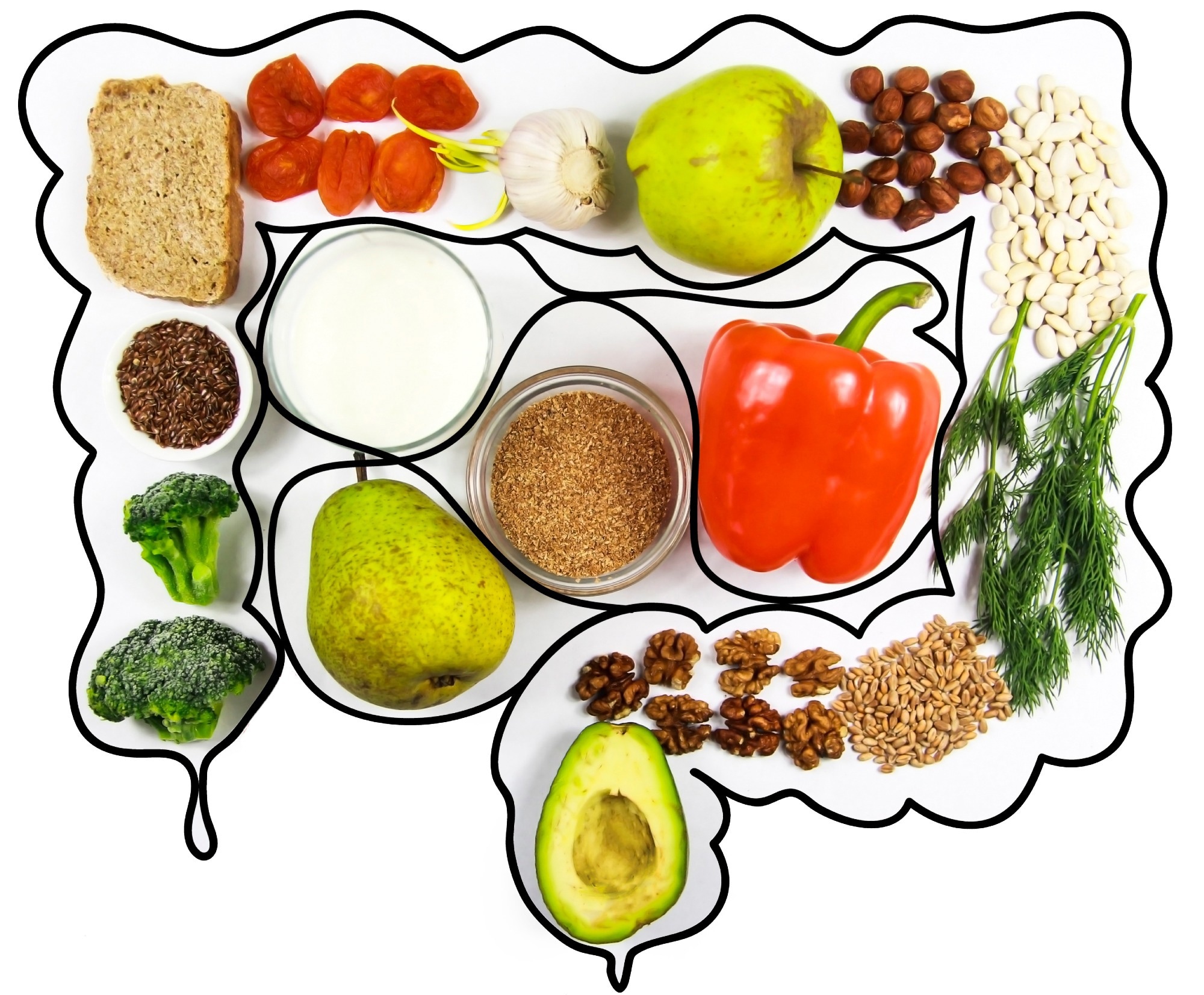 Review: Links between diet, intestinal anaerobes, microbial metabolites and health. Image Credit: POLIGOONE / Shutterstock
Human gut microbiota
Human gut microbiota refers to a diverse collection of microorganisms including bacteria, fungi, archaea, and viruses. Anaerobic organisms that do not require oxygen for their growth and survival constitute the largest microbial biomass in the large intestine.
Although some organisms are dominant and widespread in the healthy human gut, considerable variation in gut microbiota composition and diversity is commonly observed between individuals. The gut microbiota produces a number of primary and secondary metabolites that play a crucial role in maintaining body homeostasis, such as short-chain fatty acids (SCFAs).
Diet is considered to be an important factor in modulating the composition and activities of the gut microbiota, which in turn is associated with positive and negative health effects. An imbalance in the gut microbial community, also known as gut dysbiosis, is known to be associated with a range of diseases including metabolic disease and colorectal cancer.
Relationship between diet, gut microbiota and health
Dietary macro and micronutrients play an important role in shaping the composition and functions of the human gut microbiota. The effect of diet on the intestinal microbiota begins at birth. In breastfed babies, the intestinal microbiota is mainly made up of a bifidobacterial population, necessary for the use of indigestible oligosaccharides from breast milk. In contrast, formula-fed babies exhibit a more complex composition of adult-like gut microbiota.
The introduction of solid foods in infants leads to the expansion of obligately anaerobic bacterial populations capable of metabolizing more complex polysaccharides. Diet modifies the production of metabolites by the intestinal microbial community. People residing in rural areas generally have higher levels of SCFAs, possibly due to higher dietary fiber intake.
The gut microbial community derives its energy from food compounds that escape digestion by host enzymes, such as resistant starch, non-starch polysaccharides, oligosaccharides, and proteins.
Resistant starch is the main dietary polysaccharide degraded by the intestinal microbiota. Bacterial populations containing a complex starch-degrading extracellular structure (amylosome) are able to degrade resistant starch that cannot be digested by host enzymes.
The second main dietary polysaccharides degraded by the intestinal microbiota are non-starch polysaccharides, such as cellulose, pectin and insulin. Insulin and oligosaccharides are primarily used by anaerobic organisms to support growth. These compounds are also used as prebiotics to promote the bifidobacterial community.
Regarding dietary fat, only 7% of the ingested quantity reaches the large intestine for the use of the intestinal microbiota. Dietary fat can influence the composition of the gut microbiota in several ways, for example by reducing microbial diversity and increasing bile acid secretion. Diets containing high levels of saturated fat are known to impair immune function, induce inflammation, disrupt gut barrier integrity, and trigger systemic disease.
Dietary proteins are degraded by host- and bacterium-derived proteases and peptidases to produce peptides and amino acids. Depending on intake, approximately 3–18 g of dietary protein reaches the large intestine each day for use by the microbiota. Peptides and amino acids produced from dietary proteins are either directly incorporated into microbial proteins or fermented to produce energy for the microbiota.
Amino acid fermentation leads to the production of ammonia, major SCFAs, and branched-chain fatty acids (BCFAs), which are commonly used as fecal markers of protein fermentation. Additionally, bacterial deamination of aromatic amino acids leads to the production of various phenolic compounds.
Increasing consumption of a high-protein diet is known to cause many health problems, including inflammatory diseases and certain types of cancers. Excessive consumption of a high-fat, high-protein diet has been found to increase toxic bacterial metabolites, which are associated with many health conditions, including migraine, hypersensitivity syndrome, portal systemic encephalopathy and colorectal cancer.
Relationship between diet, gut microbiota and immune system
The immune system plays a major role in mediating the crosstalk between diet, gut microbiota, and health. The anaerobic microbial community present in the intestine ferments dietary carbohydrates and proteins to form SCFAs and many other degradation products, which then bind to G protein-coupled receptors present on intestinal epithelial cells as well as regulators. T cellsleading to inhibition of the effector T cell response.
The gut microbiota ferment dietary fiber to produce SCFA butyrate, which plays a vital role in maintaining the regulatory functions of T cells. immune system against common food-derived antigens and commensal bacteria.
Gut microbiota-derived SCFAs augment host immune responses to pathogens. In particular, SCFAs prevent the colonization of pathogens by increasing the ability of intestinal macrophages to persistently eliminate pathogens.
Besides SCFAs, other gut microbiota-derived metabolites can influence the host immune system in several ways, such as expansion of regulatory T cells in the small intestine and prevention of intestinal inflammation.
|
Sources 2/ https://www.news-medical.net/news/20230504/Diets-powerful-impact-How-gut-microbes-shape-health-and-battle-disease.aspx The mention sources can contact us to remove/changing this article |
[ad_2]