
[ad_1]
The vast majority of global oil sales — about 80 percent — are conducted in dollars, but a switch to yuan would boost the currency’s value significantly.
-
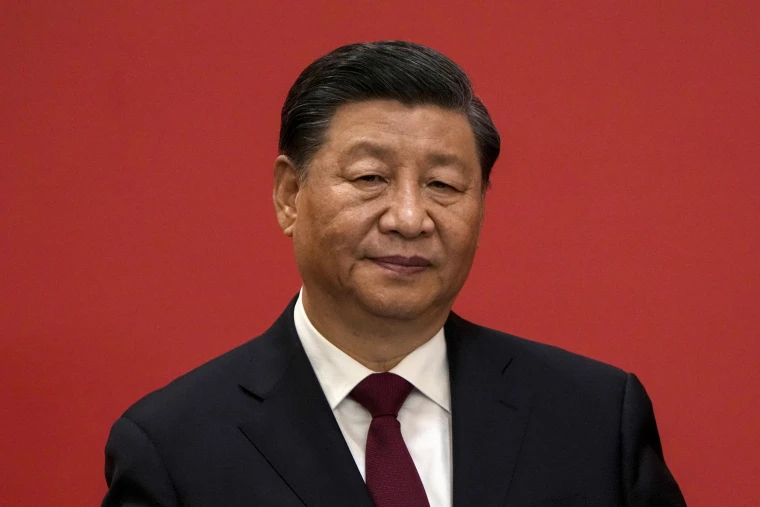
Chinese President Xi Jinping (nbc news)
as quoted ReutersThis week, Chinese President Xi Jinping assured Gulf Arab leaders at a China-Arab summit hosted by Saudi Arabia that China would try to buy energy in yuan rather than dollars.
China is the world’s largest crude oil importer, with oil purchases up 12% year-on-year in November. However, ahead of the European Union’s Dec. 5 price cap, Chinese state-owned refiners increased purchases of U.S. crude while maintaining large imports of Russian oil.
The price-cap measure implies continued deliveries of oil sold at $60 a barrel or less. For oil above that price, companies based in countries covered by the cap would be prohibited from providing marine transportation services such as insurance.
Chinese independent refiners, on the other hand, receive large quantities of heavily discounted Iranian crude from Malaysia — often used as transshipment points for oil from Venezuela and Iran, both of which are under illegal U.S. sanctions.
Saudi Arabia accounted for 18% of China’s total crude purchases in the first 10 months of this year, making it Asia’s top oil supplier – totaling 73.54 million tonnes, or 1.77 million barrels per day, according to Chinese customs data.
De-dollarization of the world economy
China buys more than a quarter of Saudi Arabia’s oil exports. If denominated in yuan, the sales would increase the value of the Chinese currency. Back in March, Saudi Arabia was considering including yuan-denominated futures contracts, known as petroyuan, in the pricing model of Saudi Arabian Oil Co. (Saudi Aramco).
It would be a major move if Saudi Arabia priced some of its nearly 6.2 million barrels of oil exports in currencies other than the dollar. The vast majority of global oil sales — about 80 percent — are in dollars, and the Saudis did so only after a 1974 deal with the Nixon administration that provided the country with a security guarantee.
Oil-importing countries have shown increased interest in using the yuan and other currencies after the U.S. and the West imposed ongoing and endless sanctions on Russia, one of the world’s largest oil producers and exporters, in light of the Ukraine war.
As early as October, a report released by the Bank for International Settlements (BIS) showed that in terms of total global foreign exchange trading volume, the renminbi has risen to the fifth largest trading position, with a market share of 7%.
The yuan’s new ranking, up from eighth in 2019, underscores the yuan’s appeal amid efforts to de-dollarize the world economy and a general consensus among investors that the world’s second-largest economy has a bright future.
In recent events, Russia’s acceptance of the renminbi has had an impact on some Chinese entrepreneurs, as Russian companies may now negotiate contracts in renminbi rather than dollars or euros. In the view of Chinese entrepreneur Wang Min, this is an exciting “win-win” situation for Chinese and Russian companies.
“We hope next year sales in Russia will account for 10-15 percent of our total sales,” the businessman said. Reuters, Wang intends to profit from Russia’s rapid “yuanification” of the economy, as the sanctioned country looks to seek financial stability in Asian markets. He envisions a win-win situation in which Chinese exporters reduce currency risk and Russian buyers get paid more easily.
|
Sources 2/ https://english.almayadeen.net/news/economics/xi:-china-eyes-dropping-dollar-in-oil-trade-purchases-up-by The mention sources can contact us to remove/changing this article |
[ad_2]